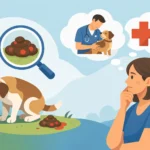
A loose stool after your dog steals a bite of something unusual may be unpleasant but short-lived. The harder question is: when is dog diarrhea serious? The answer depends on more than what the stool looks like. Your dog’s age, overall health, energy level, hydration, appetite, and other symptoms all help determine whether it is reasonable to monitor at home or time to seek veterinary care.
Diarrhea is common, but it is not a diagnosis. It is a sign that the digestive tract is irritated or not functioning normally. Some cases resolve quickly with supportive care, while others can signal infection, parasites, pancreatitis, a toxin exposure, intestinal obstruction, or disease affecting organs beyond the gastrointestinal tract. Knowing the difference can protect your dog from dehydration and help them receive treatment before a manageable problem becomes an emergency.
When Is Dog Diarrhea Serious Enough for Urgent Care?
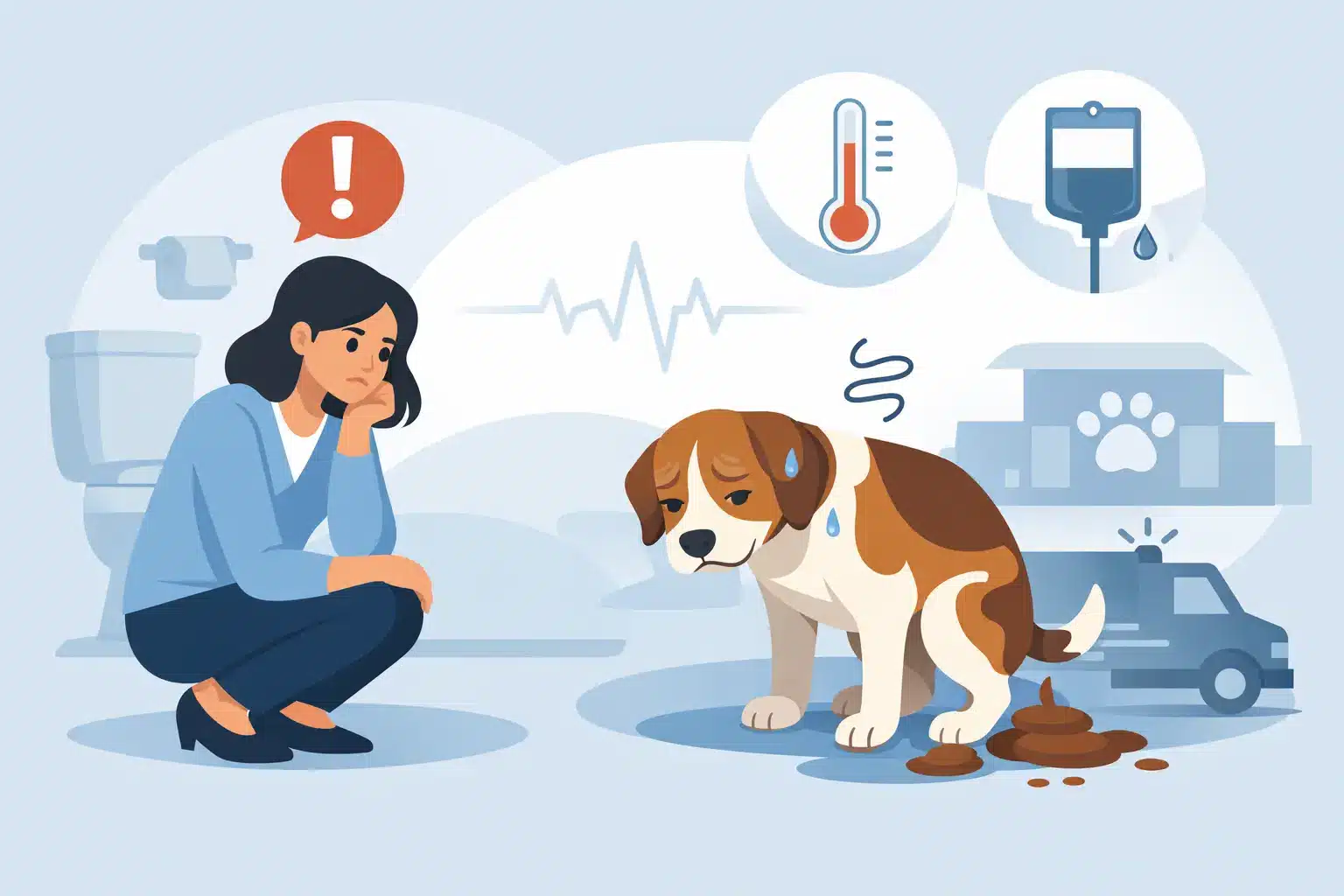
Call a veterinarian promptly if diarrhea is frequent, severe, or accompanied by changes in your dog’s behavior. A healthy adult dog with one or two loose stools who is bright, drinking, and otherwise acting normally may be able to be watched closely for a short period. But repeated watery diarrhea can cause fluid loss faster than many families expect, particularly in warm Antelope Valley weather.
Diarrhea deserves same-day veterinary attention when it lasts longer than 24 hours in an adult dog, keeps returning, or does not improve with appropriate veterinary guidance. Do not wait that long for a puppy, senior dog, very small dog, or a dog with a chronic condition such as diabetes, kidney disease, heart disease, or immune suppression. These pets have less reserve and may become dehydrated or weak much more quickly.
Red flags that should not wait
Seek urgent veterinary care right away if your dog has diarrhea along with any of the following:
- Vomiting repeatedly, being unable to keep water down, or dry heaving
- Blood in the stool, black or tar-like stool, or a large amount of bright red blood
- Weakness, collapse, marked lethargy, pale gums, shaking, or signs of pain
- A swollen or tense abdomen, repeated straining with little stool produced, or a suspected swallowed object
- Possible exposure to a toxin, medication, garbage, bones, foreign material, or contaminated food
- Diarrhea in an unvaccinated puppy or a dog that may have been exposed to parvovirus
Black, tarry stool can indicate digested blood from higher in the digestive tract. Bright red blood may come from irritation of the lower bowel, but it can also be substantial enough to require prompt evaluation. Blood is never a symptom to dismiss, especially if your dog seems unwell.
Signs Your Dog May Be Dehydrated
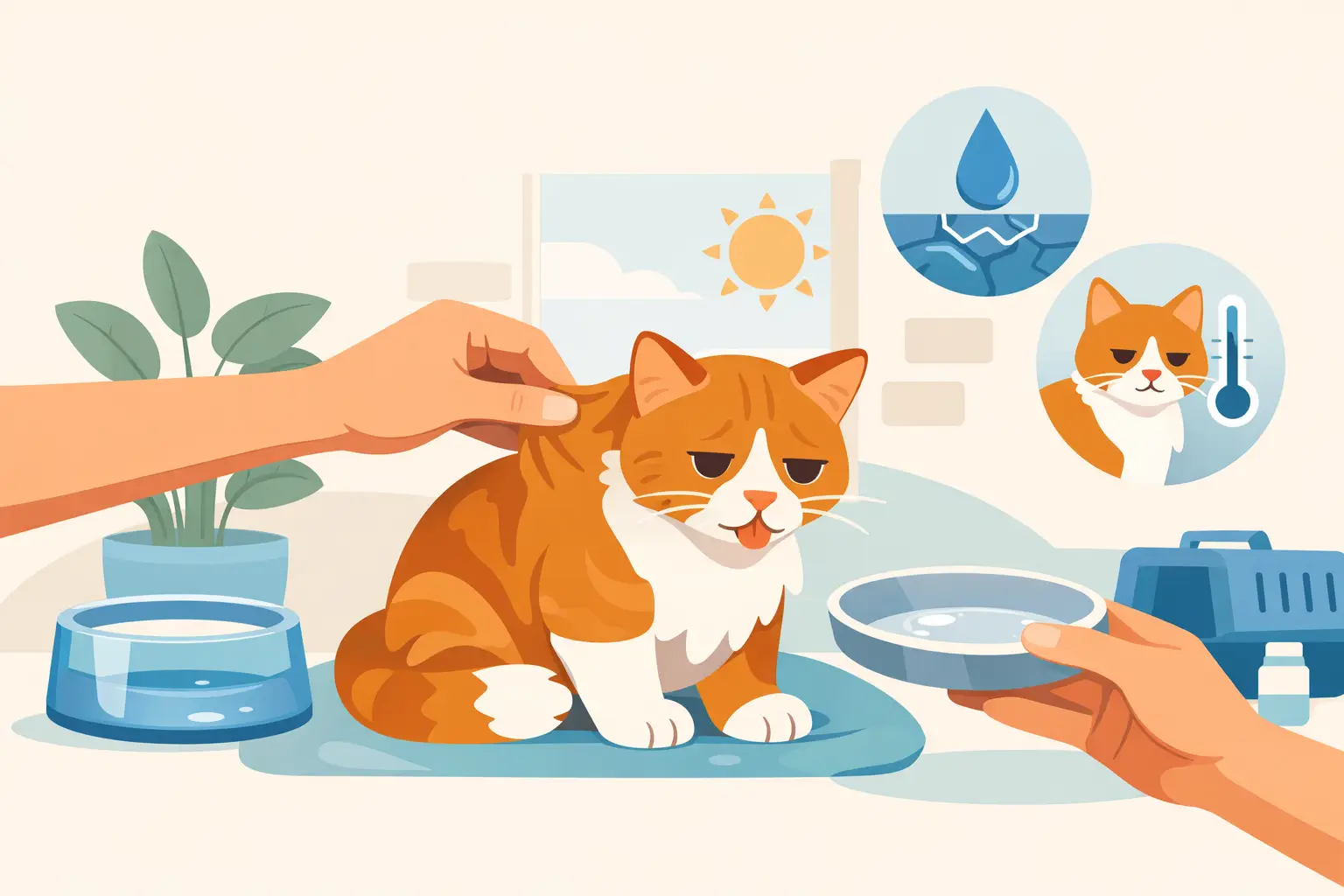
Dogs lose water and essential electrolytes through diarrhea. Even if your dog is still drinking, they may not be taking in enough to replace what they are losing. Check for tacky or dry gums, thick saliva, sunken-looking eyes, reduced urination, unusual sleepiness, or skin that does not quickly return to place when gently lifted over the shoulder blades.
These checks can raise concern, but they do not replace an examination. Dehydration is not always easy to judge at home, particularly in older dogs or dogs with loose skin. Veterinary teams can assess hydration, circulation, blood pressure, and electrolyte balance, then provide fluids if needed.
Why Dogs Get Diarrhea
A sudden diet change, rich treats, food scavenging, stress, and mild dietary indiscretion are familiar causes. Yet diarrhea can also result from intestinal parasites such as Giardia or roundworms, bacterial or viral infections, food intolerance, inflammatory bowel disease, pancreatitis, or side effects from medications.
Some causes have clues. Diarrhea after boarding, travel, or a stressful household event may be stress-related, but stress should not automatically be blamed when symptoms are severe or persistent. Greasy food followed by vomiting, abdominal discomfort, and diarrhea can raise concern for pancreatitis. Diarrhea with weight loss, a larger appetite, or ongoing poor coat quality may point to a chronic condition that needs diagnostic testing.
The appearance of stool can be useful information, but it cannot identify the cause by itself. Mucus may occur with colon irritation. Very watery stool increases dehydration risk. Worms may occasionally be visible, but many intestinal parasites require laboratory testing to detect. A fresh stool sample, if you can collect one safely, can help your veterinarian evaluate the problem.
What to Do at Home While You Contact Your Veterinarian
If your adult dog has a mild, brief episode of diarrhea and no red-flag symptoms, keep fresh water available and monitor them closely. Avoid treats, table scraps, fatty foods, chews, and sudden food changes. Record how often your dog has diarrhea, whether vomiting occurs, what the stool looks like, and anything unusual they may have eaten.
Do not give human anti-diarrheal medications, pain relievers, antibiotics, or supplements unless your veterinarian specifically recommends them. Products that seem harmless can be dangerous for dogs, mask a worsening condition, or interact with other medications. This is especially true when there is blood in the stool, vomiting, abdominal pain, or a possible toxin exposure.
A bland diet may be appropriate for some dogs, but it is not right for every patient. Puppies, dogs with diabetes, dogs who are vomiting, and dogs with underlying medical conditions need individualized instructions. If your veterinarian advises a temporary bland diet, follow their portion and feeding recommendations rather than assuming that fasting or home recipes are safe for your pet.
Keep your dog away from dog parks, shared water bowls, and contact with other dogs until you understand the cause, particularly if they are having frequent diarrhea or are not current on vaccinations. Some infectious causes can spread through fecal contamination.
What a Veterinary Visit Can Reveal
A careful exam helps determine whether diarrhea is limited to the intestines or part of a larger medical concern. Your veterinarian may recommend fecal testing for parasites, bloodwork to assess hydration and organ function, and tests for infectious disease based on your dog’s history and symptoms.
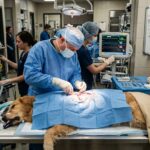
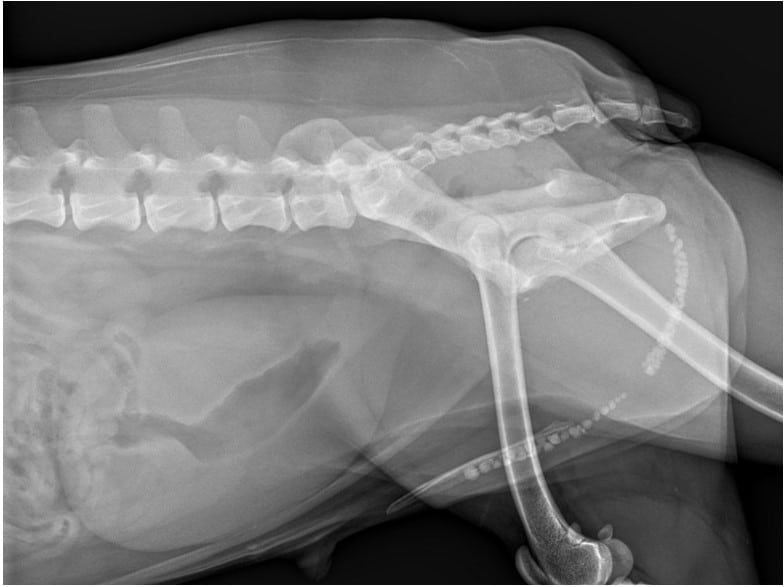
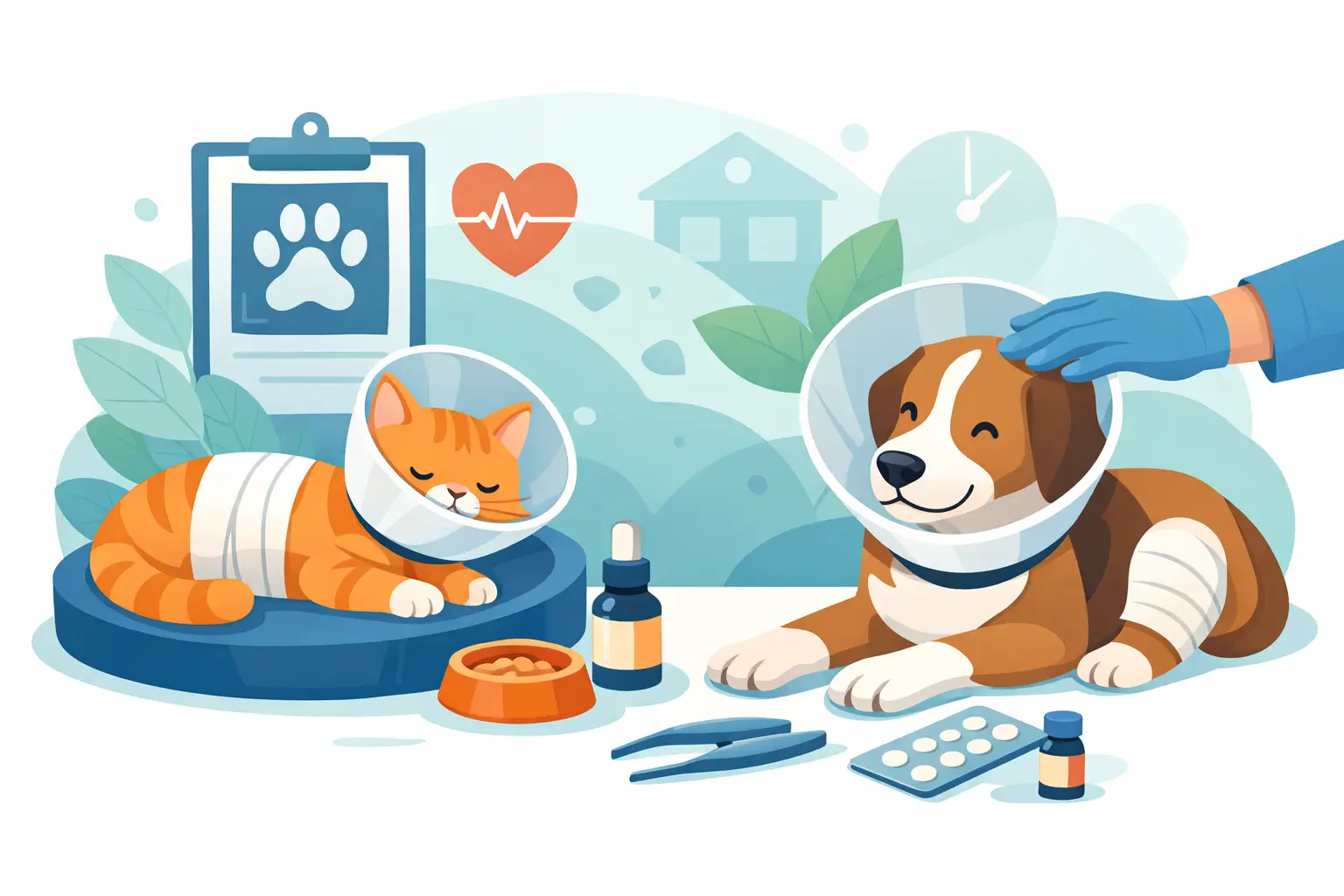
When symptoms are more serious, imaging can be essential. X-rays, ultrasound, or advanced diagnostics may help identify foreign material, intestinal blockage, pancreatitis, masses, or other internal problems. Treatment may range from prescription gastrointestinal diets and parasite medication to anti-nausea medication, fluid therapy, hospitalization, or surgery. The right treatment depends on the cause, which is why avoiding a one-size-fits-all home remedy matters.
At AV Veterinary Center, dogs with significant digestive symptoms can be evaluated with comprehensive diagnostics and individualized treatment planning, from routine fecal testing and bloodwork to advanced imaging and urgent care support when needed.
Preventing the Next Episode
Not every case can be prevented, but consistent habits reduce risk. Keep your dog on reliable parasite prevention, avoid abrupt food changes, secure trash and household toxins, and choose treats that suit your dog’s digestive tolerance. Routine wellness visits also create an opportunity to discuss recurring loose stool, diet changes, medication side effects, and age-related health concerns before they become urgent.
If diarrhea keeps happening, even when each episode seems mild, schedule an appointment. Recurrent digestive upset is frustrating for dogs and families, and it may be the first sign that your dog needs a more detailed evaluation. Trust your observation: you know what normal energy, appetite, and bathroom habits look like for your family member. When those patterns change, timely veterinary guidance can bring both answers and relief.