A cat who turns down water may not look alarming at first. Cats are naturally discreet drinkers, and many compensate by getting moisture from food. But when fluid loss outpaces fluid intake, dehydration can progress quickly and may point to an underlying illness that needs treatment. Knowing how to tell if cat is dehydrated gives you a better chance to act before your pet becomes seriously unwell.
Dehydration is especially concerning when it occurs alongside vomiting, diarrhea, poor appetite, fever, increased urination, or unusual lethargy. Trust your instincts if your cat seems unlike themselves. A prompt veterinary assessment can identify both the degree of dehydration and the reason it developed.
How to Tell If Your Cat Is Dehydrated
No single home check can diagnose dehydration with certainty. Instead, look at your cat’s behavior, mouth, eyes, litter box habits, and overall condition together. Cats can hide discomfort very effectively, so even subtle changes deserve attention.
Look for changes in the gums and mouth
Healthy cat gums should usually feel moist and slippery, not dry or sticky. If you gently lift your cat’s lip, tacky gums can be an early sign that they are not getting enough fluids. Very dry gums, pale gums, or gums that feel unusually cool are more concerning and warrant veterinary guidance.
A dry mouth may also show up as thicker saliva or drooling. However, drooling can have other causes, including dental pain, nausea, toxin exposure, or mouth injuries. It should not be dismissed simply as a hydration issue.
Pay attention to skin elasticity, with caution
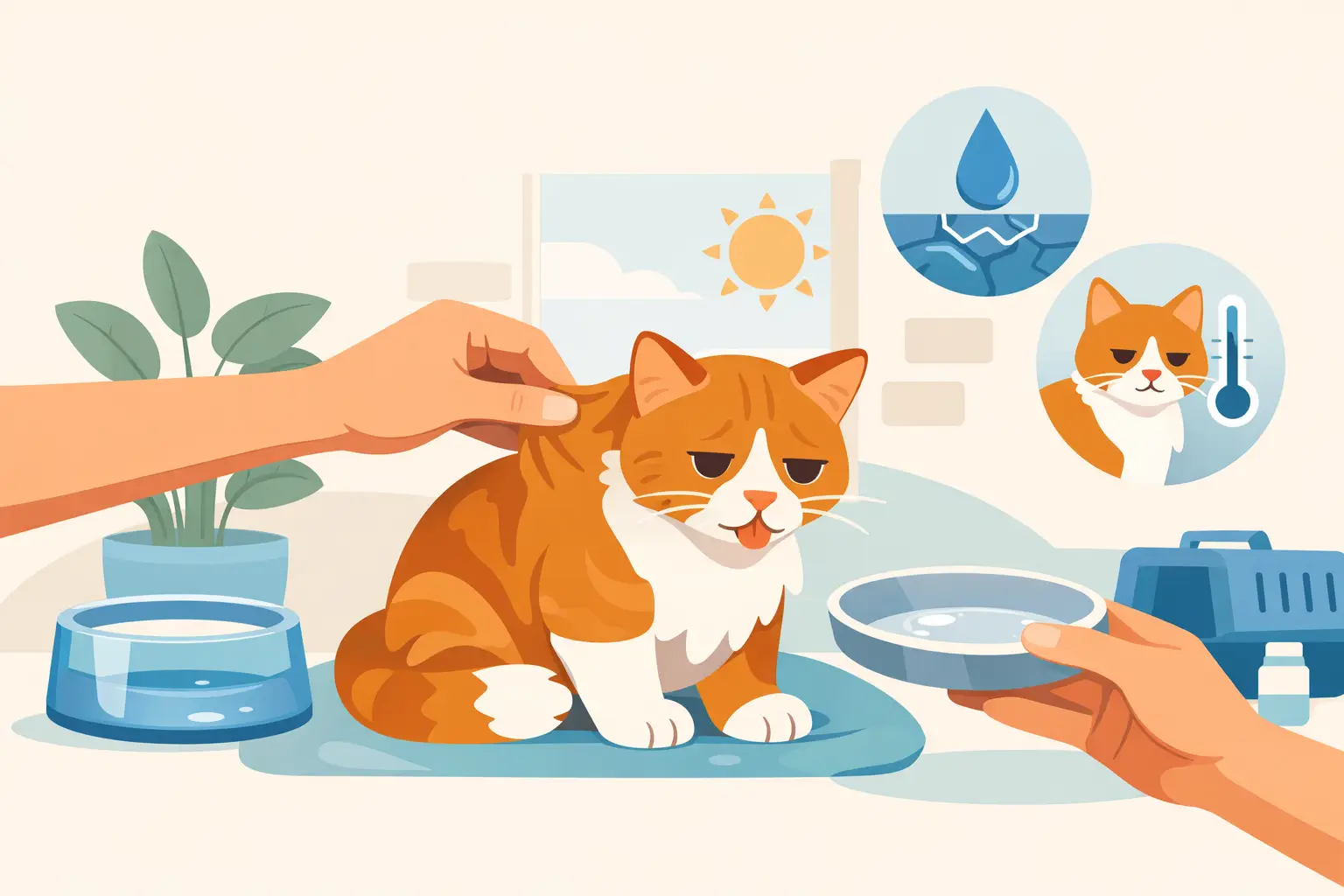
You may have heard of the skin-tent test. Very gently lift a small amount of loose skin over the shoulders and release it. In a well-hydrated cat, the skin typically returns to place promptly. If it stays tented or moves back slowly, dehydration is possible.
This test has limits. Older cats often have less elastic skin, and body condition can change the result. A skin tent is helpful as one observation, but it should never be the only reason to decide your cat is fine or needs care.
Notice the eyes, energy level, and posture
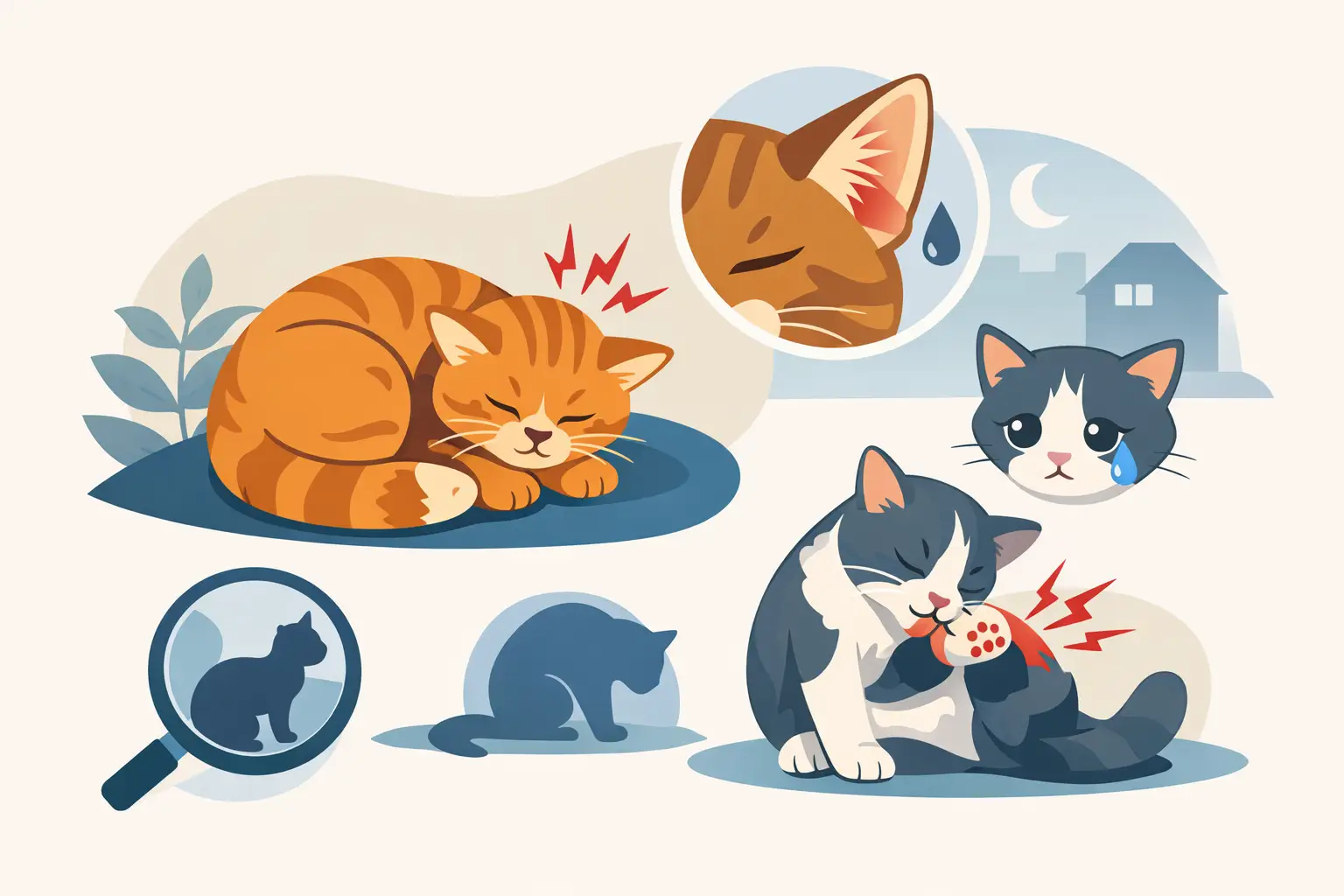
Dehydrated cats may have eyes that appear less bright or slightly sunken. They may sleep more, withdraw from the family, move slowly, or seem weak when jumping onto familiar furniture. Some cats become irritable when handled because they feel nauseated or uncomfortable.
A cat who is dehydrated may also eat less. Because cats should not go long without eating, especially if they are overweight, a reduced appetite paired with low water intake deserves a call to your veterinarian.
Watch the litter box
Urine output offers useful clues. A dehydrated cat may produce smaller clumps of urine, visit the box less often, or have darker, more concentrated-looking urine. If you use non-clumping litter, it can be harder to judge volume, so focus on changes from your cat’s usual routine.
Do not assume that frequent urination means your cat cannot be dehydrated. Conditions such as kidney disease and diabetes can cause cats to urinate more while still becoming dehydrated because they lose more fluid than they can replace.
Signs That Need Urgent Veterinary Care
Mild dehydration may be manageable when the cause is known and your veterinarian has provided a care plan. But a cat that appears ill, weak, or unable to keep water down needs more than encouragement to drink. Call a veterinarian promptly if your cat has repeated vomiting, persistent diarrhea, refuses food or water, seems disoriented, collapses, or has noticeably sunken eyes.
Seek urgent care immediately if your cat is straining to urinate, crying in the litter box, producing little or no urine, or repeatedly going in and out of the box. Urinary blockage, particularly in male cats, is a life-threatening emergency and can lead to dehydration as well as dangerous toxin buildup.
Kittens, senior cats, and cats with chronic medical conditions have less room for error. A kitten can become dehydrated quickly after diarrhea or vomiting. Older cats may have kidney disease, diabetes, hyperthyroidism, cancer, or other conditions that affect fluid balance. For these pets, early intervention is particularly valuable.
Why Cats Become Dehydrated
Sometimes the cause is straightforward: a water bowl was knocked over, a cat dislikes a new bowl location, or hot weather increased fluid needs. More often, dehydration is a symptom rather than the main problem.
Vomiting and diarrhea cause direct fluid loss. Fever, pain, dental disease, and nausea can reduce a cat’s desire to eat and drink. Kidney disease, diabetes, thyroid disease, urinary problems, and certain medications may increase fluid loss or change thirst patterns. A cat recovering from surgery may also drink less because of stress, discomfort, or medication effects.
For outdoor cats in the Antelope Valley, warm and dry conditions can add to the risk. Even indoor cats may drink less if water is placed near a noisy appliance, a litter box, or another pet that makes them feel unsafe. Still, a change in drinking habits should not automatically be blamed on preference or weather when other symptoms are present.
What You Can Do While You Arrange Care
If your cat is alert, not vomiting, and willing to drink, make fresh water easy to access. Place several clean bowls in quiet areas, and consider offering water in a different bowl material or a pet fountain if your cat has a strong preference. Adding moisture to meals with canned food can support fluid intake for many cats.
You can also offer a small amount of water mixed into wet food if your cat accepts it. Make changes gradually and stop if this makes your cat refuse their meal. Do not force water into your cat’s mouth with a syringe unless a veterinarian specifically instructs you to do so. Forced fluids can cause aspiration into the lungs, increase stress, and delay the care your cat needs.
Avoid giving sports drinks, electrolyte products made for people, broth containing onion or garlic, or any over-the-counter medication. These may be unsafe for cats or may not address the underlying cause. If your cat has a prescribed diet or a history of heart or kidney disease, ask your veterinary team before making substantial feeding changes.
How Veterinarians Confirm and Treat Dehydration
At a veterinary visit, the care team evaluates hydration through a physical examination while considering your cat’s heart rate, temperature, gum moisture, body weight, and medical history. Bloodwork and urinalysis can help reveal kidney function, blood sugar concerns, infection, electrolyte imbalances, and other factors contributing to fluid loss. Imaging may be recommended when a urinary issue, intestinal problem, or another internal condition is suspected.
Treatment depends on severity and cause. A mildly dehydrated, stable cat may receive fluids under the skin and a tailored plan for nutrition, nausea control, or follow-up monitoring. Cats that are significantly dehydrated, weak, vomiting, or medically unstable may need intravenous fluids, hospitalization, advanced diagnostics, and treatment directed at the underlying disease.
At AV Veterinary Center, our team can assess cats with concerning hydration changes and provide diagnostic and treatment support ranging from routine evaluation to urgent and advanced care. Bringing notes about drinking, eating, vomiting, medication, and litter box changes can help your veterinarian make decisions faster.
Your cat does not need to look severely ill for dehydration to deserve attention. When you notice dry gums, reduced appetite, lower urine output, vomiting, or a sudden change in energy, calling early is a caring step that can protect both your cat’s comfort and long-term health.