When a dog hesitates at the bottom of the stairs or a cat stops jumping onto a favorite windowsill, the change can feel sudden. Pet rehabilitation gives dogs and cats a structured, medically guided path back toward comfortable movement after surgery, injury, neurologic disease, or chronic pain. It is not simply exercise. It is individualized treatment designed around your pet’s diagnosis, mobility, comfort level, and goals.
For Antelope Valley families, rehabilitation can also reduce the strain of coordinating care across several locations. At AV Veterinary Center, advanced diagnostics, surgery, and rehabilitative services can work together to support a more connected recovery plan for dogs and cats.
What Pet Rehabilitation Is Designed to Do
Veterinary rehabilitation uses therapeutic movement, controlled activity, pain-management strategies, and specialized equipment to help pets function as well as possible. The goal may be to restore strength after orthopedic surgery, improve balance after a spinal condition, maintain mobility in a senior pet, or help an overweight dog move more comfortably.
A rehabilitation plan is never one-size-fits-all. A young Labrador recovering from a cruciate ligament procedure has different needs than a senior Dachshund with back pain or a cat healing after a fracture. Your veterinarian considers the underlying condition, surgical findings when relevant, imaging results, current medications, body condition, and your pet’s temperament before recommending therapy.
Progress is often measured in practical ways: standing up more easily, bearing weight more evenly, taking longer walks without fatigue, climbing a step, or returning to normal household routines. Some pets make noticeable gains quickly. Others need slower, consistent support over weeks or months. Both paths can be appropriate.
When Dogs and Cats May Benefit From Rehabilitation
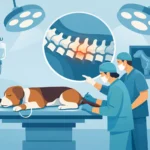
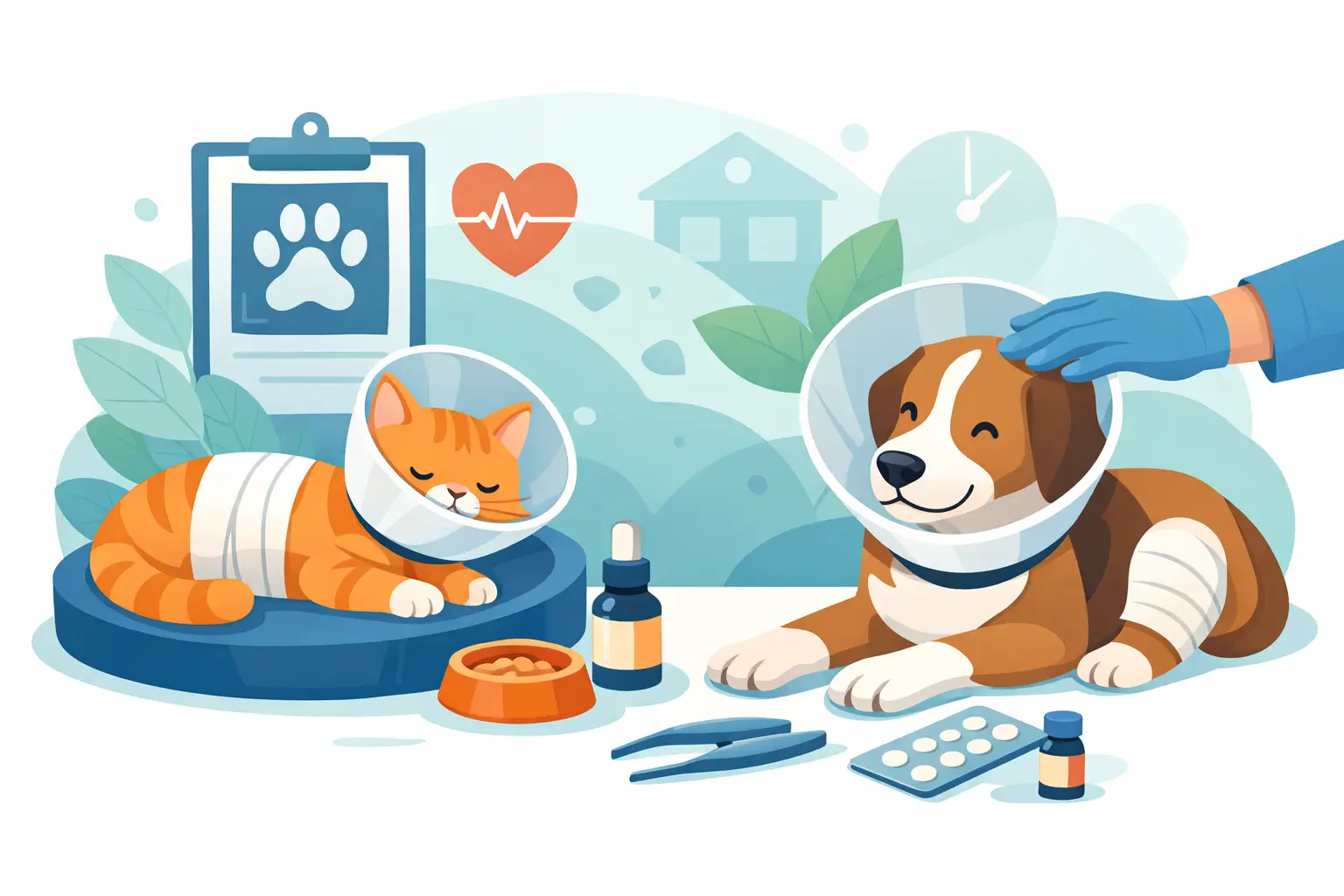
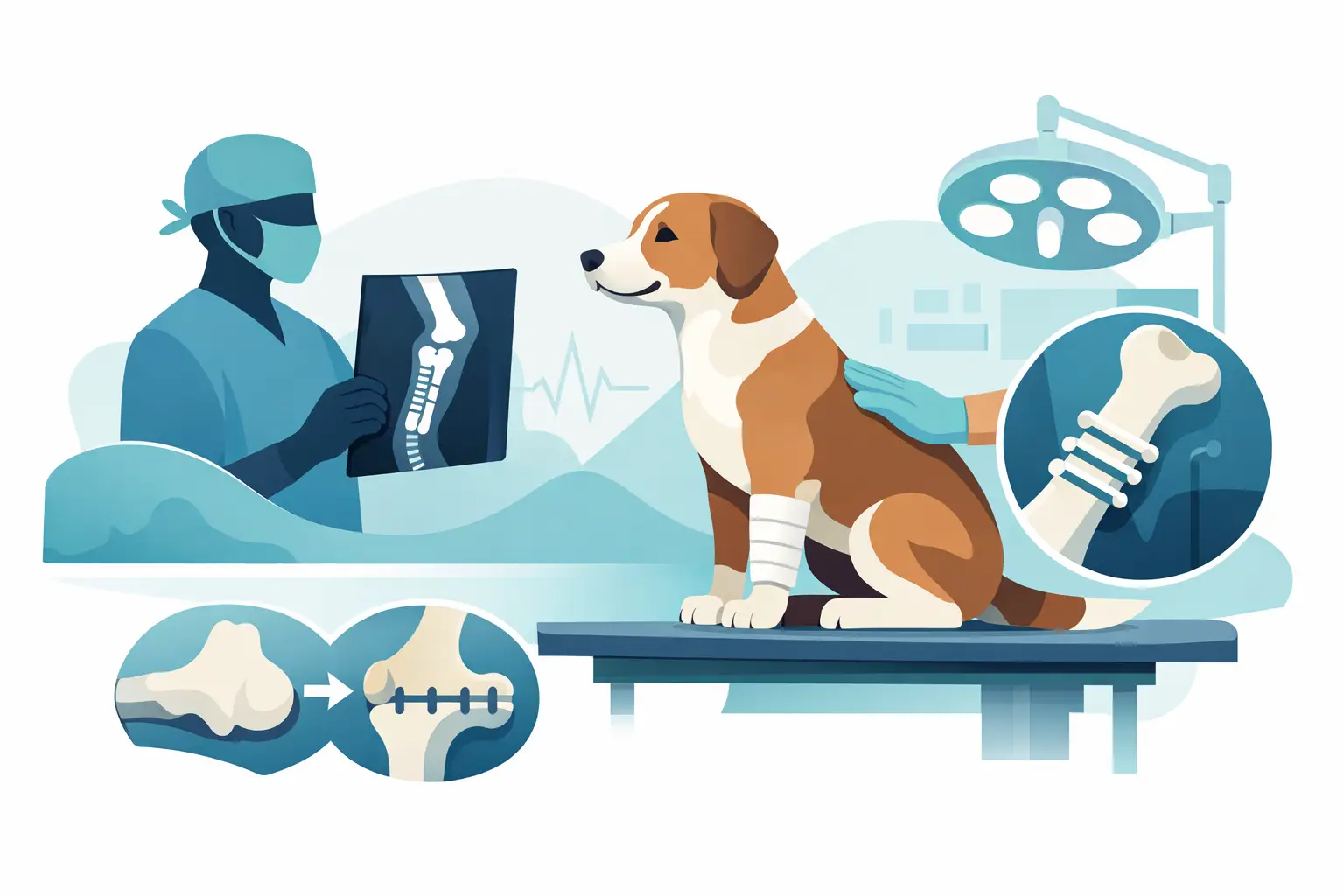
Rehabilitation is commonly recommended after orthopedic procedures, including cruciate ligament repair, fracture repair, joint surgery, and treatment for patellar luxation. Controlled therapy can help protect the surgical site while rebuilding range of motion, muscle mass, and confidence in the affected limb.
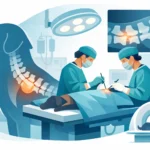
It can also be valuable for pets with neurologic or spinal conditions. A pet recovering from disc disease, paralysis, weakness, or a spinal procedure may need carefully monitored exercises that encourage safe movement without overloading vulnerable tissues. In these cases, rehabilitation is part of a broader medical plan and close communication with the veterinary team matters.
Not every candidate is recovering from an operation. Dogs and cats with arthritis, hip dysplasia, chronic joint pain, obesity, age-related weakness, or reduced endurance may benefit from supportive therapy. Rehabilitation does not reverse every underlying disease, but it can help many pets stay more comfortable and independent for longer.
Cats deserve consideration, too. They may be less obvious about pain and less willing to participate in unfamiliar activities, but patient handling and short, tailored sessions can help cats recovering from injury or managing mobility changes.
A Rehabilitation Plan Starts With a Clear Diagnosis
Before beginning therapy, the veterinarian needs to understand why your pet is having trouble moving. Limping, stiffness, reluctance to rise, knuckling of the paws, or a sudden loss of activity can have many causes. Treating the symptom without identifying the cause may delay needed care.
A thorough assessment may include a physical and orthopedic examination, neurologic evaluation, gait observation, bloodwork, and imaging such as X-rays, ultrasound, CT, or other diagnostics when indicated. This information helps the team determine whether rehabilitation is appropriate, what activities should be avoided, and when to begin.
Timing is especially important after surgery or trauma. Starting too aggressively can compromise healing, while waiting too long may allow stiffness and muscle loss to worsen. Your veterinarian can set appropriate restrictions and adjust the plan as healing progresses.
How Therapeutic Exercise and Hydrotherapy Help
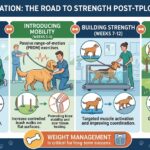
Therapeutic exercise is purposeful movement, not a longer walk around the block. It may include gentle range-of-motion work, weight-shifting exercises, balance activities, controlled sit-to-stand movements, leash walking plans, or targeted strengthening. Each activity is selected for a reason and adapted as your pet improves.
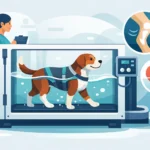
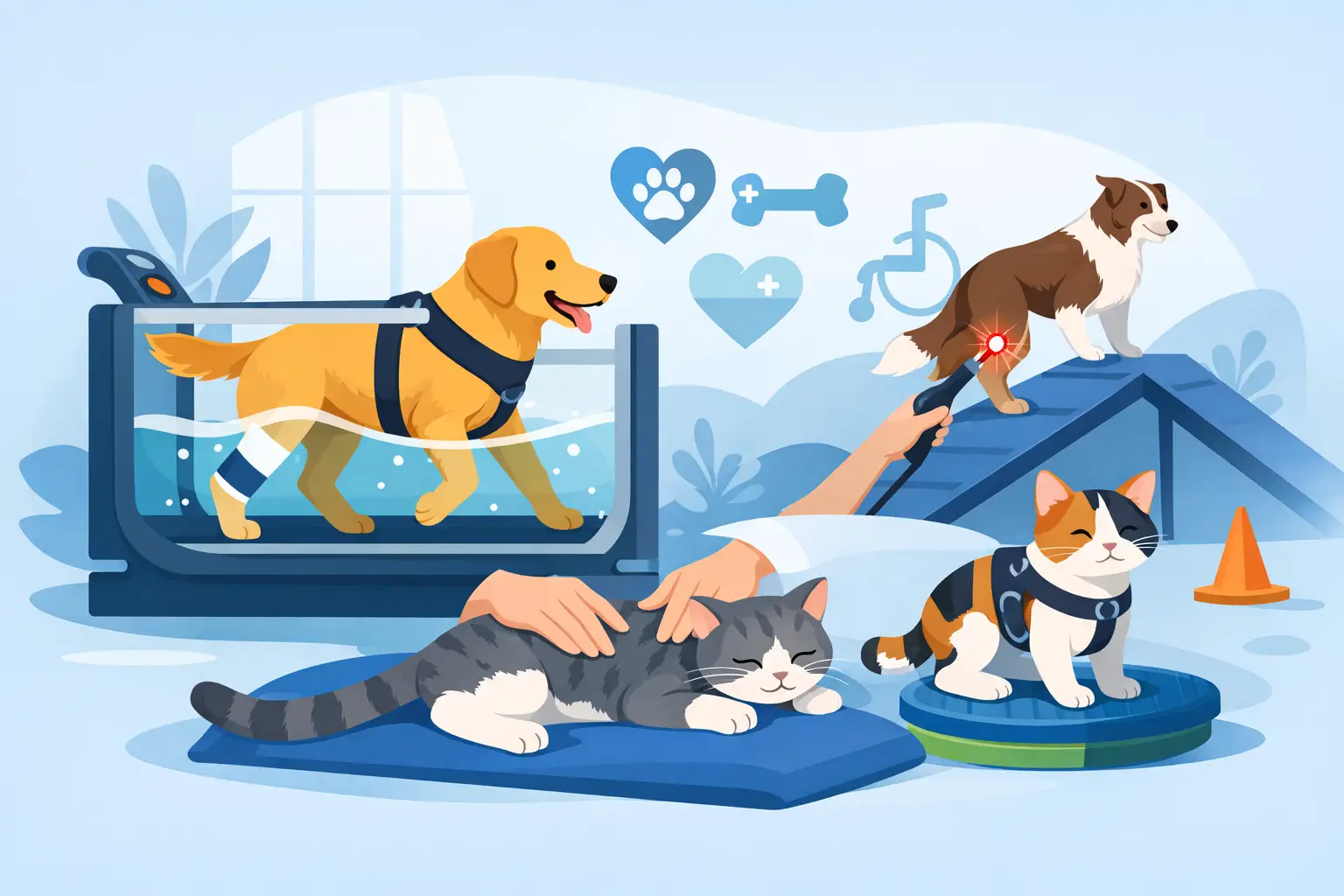
Hydrotherapy can be particularly useful because water supports part of a pet’s body weight while providing resistance. An underwater treadmill allows the veterinary team to control water level, speed, and duration, helping many pets practice a more normal gait with less impact on painful joints or healing limbs.
Hydrotherapy is not right for every pet at every stage. A dog with certain wounds, uncontrolled medical conditions, severe fear, or a condition requiring strict rest may need a different approach first. Some cats and dogs simply find water stressful. A compassionate team will not force a treatment that creates distress or works against recovery.
Other therapies may be recommended based on a pet’s diagnosis and response to care. These can include cold or heat therapy, massage, laser therapy, mobility support, and carefully selected advanced treatments. Hyperbaric oxygen therapy may be considered in specific medical situations, but it is not a substitute for diagnosis, surgery when needed, or a sound rehabilitation program.
What to Expect During Recovery
The first rehabilitation visit generally focuses on evaluation and goal-setting. The team may assess posture, muscle condition, joint motion, pain response, gait, and your pet’s ability to perform everyday tasks. From there, they can explain what therapy may involve, how often sessions are recommended, and what you can safely do at home.
Early sessions may look modest. A pet may only tolerate a few minutes of controlled activity, especially after surgery, hospitalization, or prolonged inactivity. Small gains matter. The ability to place a paw correctly, stand squarely, or take several comfortable steps can be meaningful progress.
Your pet’s plan should change as recovery changes. Improvement may allow for longer sessions or more challenging exercises. A setback, pain flare, or new symptom may mean scaling back and reassessing. This flexibility is one reason professional oversight is so valuable.
Your Role at Home Matters
Rehabilitation appointments are most effective when home routines support them. Follow activity restrictions exactly, even when your pet appears eager to run, jump, or play. Feeling better does not always mean tissues have fully healed.
Simple changes can make daily life safer during recovery: use nonslip rugs on slick floors, limit access to stairs when advised, provide supportive bedding, and help your pet enter or exit vehicles if jumping is restricted. Keep medications on schedule, maintain recommended nutrition and weight goals, and practice only the exercises your veterinary team has demonstrated.
Contact your veterinarian promptly if you notice any of the following:
- Increased limping, swelling, heat, or sensitivity around an injured area or incision
- Sudden refusal to bear weight, walk, eat, or participate in normal activities
- Crying, panting at rest, shaking, or other signs that may indicate pain or distress
- Incision drainage, opening of the incision, fever, vomiting, or marked lethargy
These signs do not always mean a serious complication, but they warrant professional guidance. Do not add human pain relievers or change medications without veterinary direction. Many common over-the-counter medications can be dangerous for pets.
Choosing Rehabilitation That Fits Your Pet
The best rehabilitation plan balances clinical goals with your pet’s quality of life. A highly active dog may need a gradual return-to-sport plan after an injury. A senior dog with arthritis may benefit more from pain control, gentle strengthening, and strategies that preserve daily comfort. For a cat, the goal might be comfortable access to food, litter, and favorite resting places rather than athletic performance.
Ask how progress will be measured, what signs of improvement to expect, what you should do at home, and when the plan will be reevaluated. Clear answers help families feel prepared and help pets receive consistent care.
A pet who moves more comfortably can often rejoin the small moments that make home feel normal: greeting family at the door, settling beside the couch, exploring the yard, or reaching a sunny perch. If your dog or cat is struggling with mobility, a veterinary evaluation can help turn those moments into realistic recovery goals.