A dog who suddenly will not bear weight on a leg, struggles to rise after rest, or cries out after a jump needs prompt veterinary attention. Orthopedic surgery for dogs is not the answer to every limp, but when a bone, joint, ligament, or spine problem cannot heal properly with medical management alone, surgery may offer the best path back to comfort and function.
For families, the decision can feel overwhelming. Your dog may be energetic one day and unable to use a leg the next. A clear diagnosis, an honest discussion of options, and a thoughtful recovery plan can replace uncertainty with a practical path forward.
When does a dog need orthopedic surgery?
Orthopedic conditions affect the musculoskeletal system: bones, joints, ligaments, tendons, and supporting tissues. Some injuries improve with rest, pain control, rehabilitation, weight management, or bracing. Others leave a joint unstable, a bone misaligned, or a nerve under pressure. In those cases, delaying definitive treatment can lead to ongoing pain, worsening arthritis, reduced mobility, and muscle loss.
A veterinarian begins with a detailed orthopedic examination. They assess gait, range of motion, joint stability, muscle symmetry, reflexes, and pain response. Digital X-rays are often the first imaging step. Depending on the concern, advanced diagnostics such as CT may provide a more complete view of complex fractures, spinal disease, or joint changes before treatment is planned.
Surgery is recommended based on the specific diagnosis, your dog’s age, size, activity level, overall health, and quality of life. The goal is not simply to repair an image on an X-ray. It is to relieve pain, restore stable movement when possible, and help your dog return safely to daily life.
Common orthopedic conditions in dogs
Cranial cruciate ligament tears
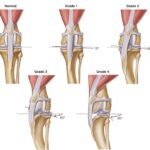
A cranial cruciate ligament, or CCL, injury is one of the most common causes of hind-leg lameness in dogs. It is similar in function to the ACL in people. When the ligament tears, the knee becomes unstable. Dogs may hold the leg up completely, limp intermittently, or sit with the affected leg extended outward.
Smaller, less active dogs may sometimes be managed without surgery, particularly with carefully directed rehabilitation and weight control. Many medium and large dogs, however, benefit from a stabilizing procedure such as TPLO, TTA, or another technique selected for their anatomy and condition. Stabilizing the knee can reduce abnormal motion and help limit further damage to the meniscus and joint cartilage.
Fractures and traumatic injuries
A fall, vehicle accident, animal encounter, or high-impact play injury can fracture a bone or dislocate a joint. Fractures that are displaced, unstable, involve a joint, or cannot be held in proper alignment with a splint often require surgical repair.
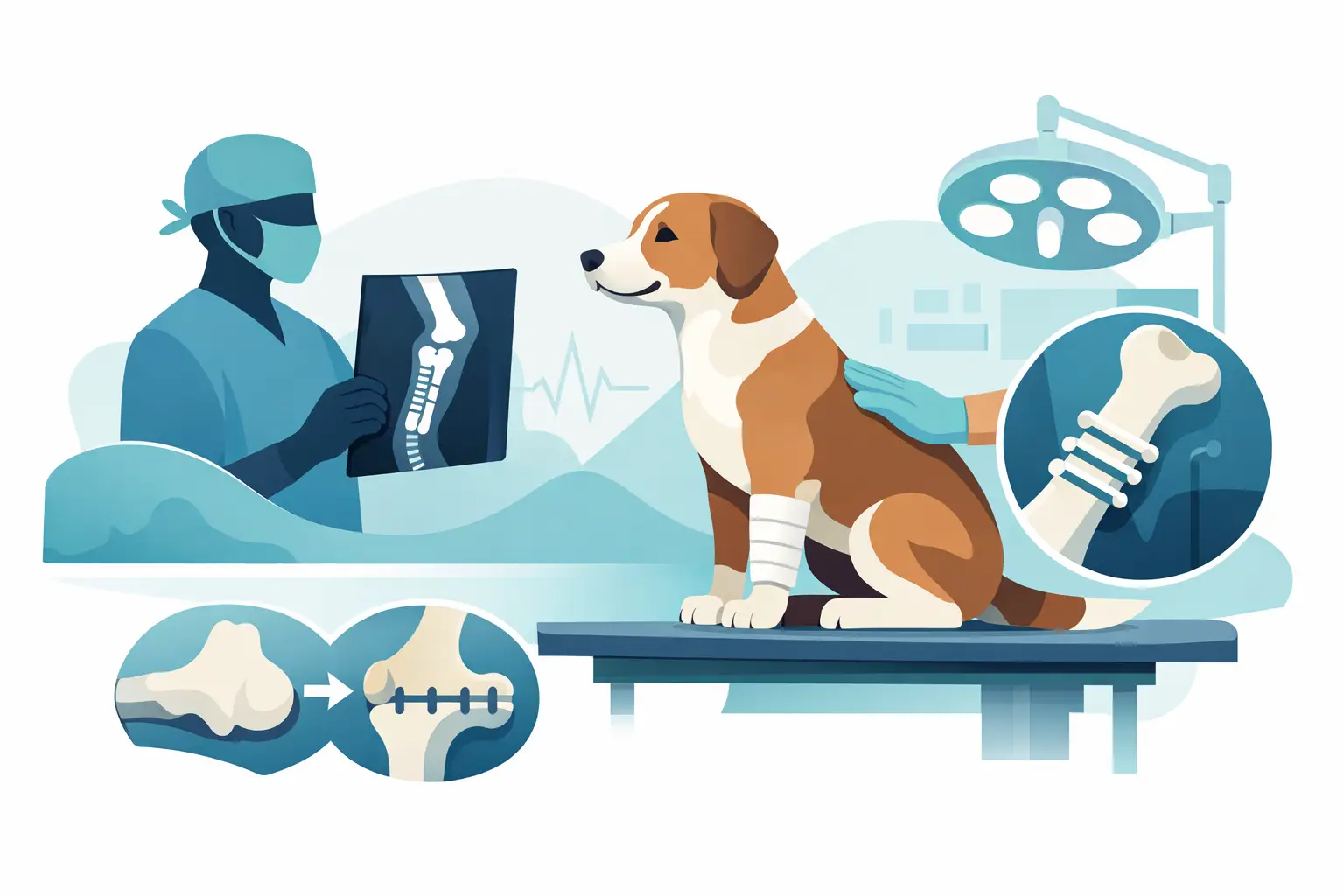
Veterinary surgeons may use plates, screws, pins, wires, or external fixation to place bone fragments in the correct position while healing occurs. The best approach depends on the location and pattern of the fracture, as well as the dog’s size and temperament. Trauma patients also need a full evaluation for internal injuries, pain, and shock before orthopedic repair is considered.
Patellar luxation
Patellar luxation occurs when the kneecap slips out of its normal groove. Some dogs skip briefly on a back leg and then resume walking normally. Others develop persistent lameness, discomfort, and progressive joint wear. Small breeds are commonly affected, although larger dogs can develop this condition as well.
Mild cases may be monitored if the dog is comfortable and functioning well. Surgery is more often advised when the kneecap dislocates frequently, the dog is painful, or the joint has structural changes that make future arthritis more likely.
Hip, elbow, and shoulder problems
Developmental conditions such as hip dysplasia and elbow dysplasia can cause chronic pain and arthritis. Shoulder injuries and cartilage conditions may also limit a dog’s movement. Treatment can range from medication, nutrition support, and rehabilitation to arthroscopic or open surgical procedures.
There is no single right option for every dog with arthritis or dysplasia. A young, active dog with a correctable joint problem may need a different plan than a senior dog with advanced arthritis and additional health concerns. Individualized recommendations matter.
Spinal and neurologic concerns
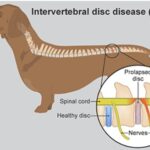
Not every mobility problem begins in a leg. Intervertebral disc disease, spinal trauma, and other neurologic conditions can cause weakness, knuckling, inability to walk, or loss of bladder control. These signs require urgent evaluation. In certain cases, advanced imaging and surgery are necessary to relieve pressure on the spinal cord and protect neurologic function.
What happens before orthopedic surgery for dogs?
Safe surgery starts well before the procedure. Your veterinarian will review your dog’s medical history, current medications, activity level, and any prior injuries. Pre-anesthetic bloodwork helps identify concerns that could affect anesthesia or recovery. Additional imaging, heart testing, or consultations may be appropriate for older dogs or pets with underlying disease.
You should also expect a conversation about benefits, limitations, and recovery demands. Orthopedic procedures can be highly successful, but they are not instant fixes. Your dog’s outcome depends on the injury itself, surgical technique, home care, controlled activity, and follow-up examinations.
Ask practical questions before scheduling surgery: How long will restricted activity last? What pain medications will be prescribed? When can my dog use stairs, return to walks, or play with other pets? Who should I call after hours if there is a concern? Knowing the answers before your dog comes home makes the first days less stressful.
Recovery is part of the treatment
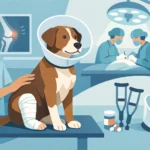
The surgery is only one part of orthopedic care. Bone and soft tissues need time to heal, and a dog who feels better quickly may try to do too much too soon. Most patients need strict activity restriction initially, including leash walks only for bathroom breaks and no running, jumping, rough play, or furniture access.
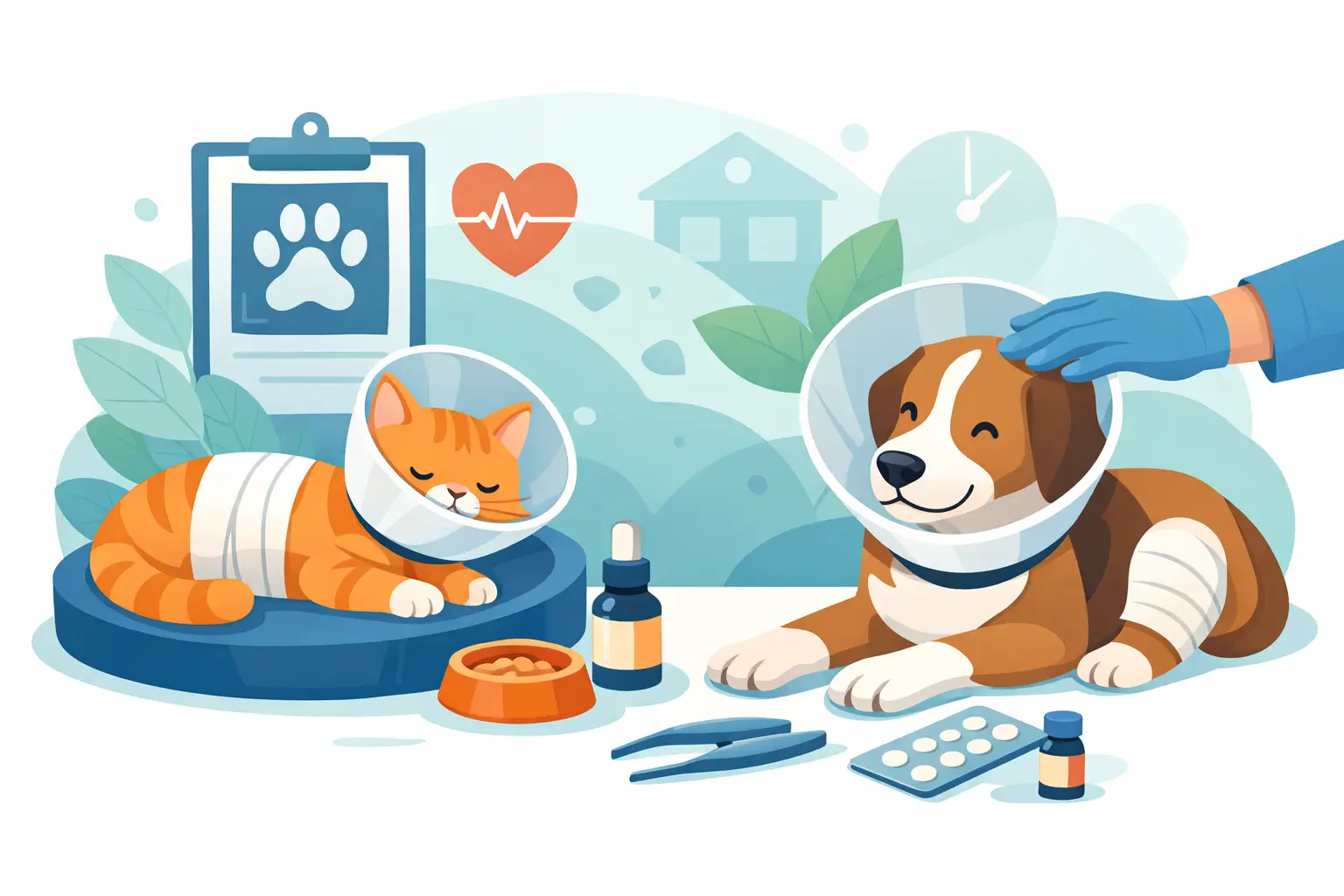
Your care team may recommend a crate, exercise pen, or quiet room to prevent sudden activity. Non-slip flooring, ramps, and assistance with getting in and out of vehicles can also protect a healing limb. Keep the incision clean and dry, prevent licking with an e-collar or recovery garment, and give medications exactly as directed.
Call the veterinary team promptly if you notice increasing swelling, discharge, incision opening, persistent vomiting, refusal to eat, uncontrolled pain, sudden worsening lameness, or changes in breathing. A small amount of bruising or mild swelling can occur after surgery, but it is always appropriate to ask when something does not look right.
Rehabilitation helps rebuild confidence and strength
After an injury or surgery, dogs commonly lose muscle because they have been protecting a painful limb. Rehabilitation helps restore controlled movement, balance, strength, and range of motion as healing allows. The right timing matters. Exercises that are helpful later in recovery can be harmful too early.
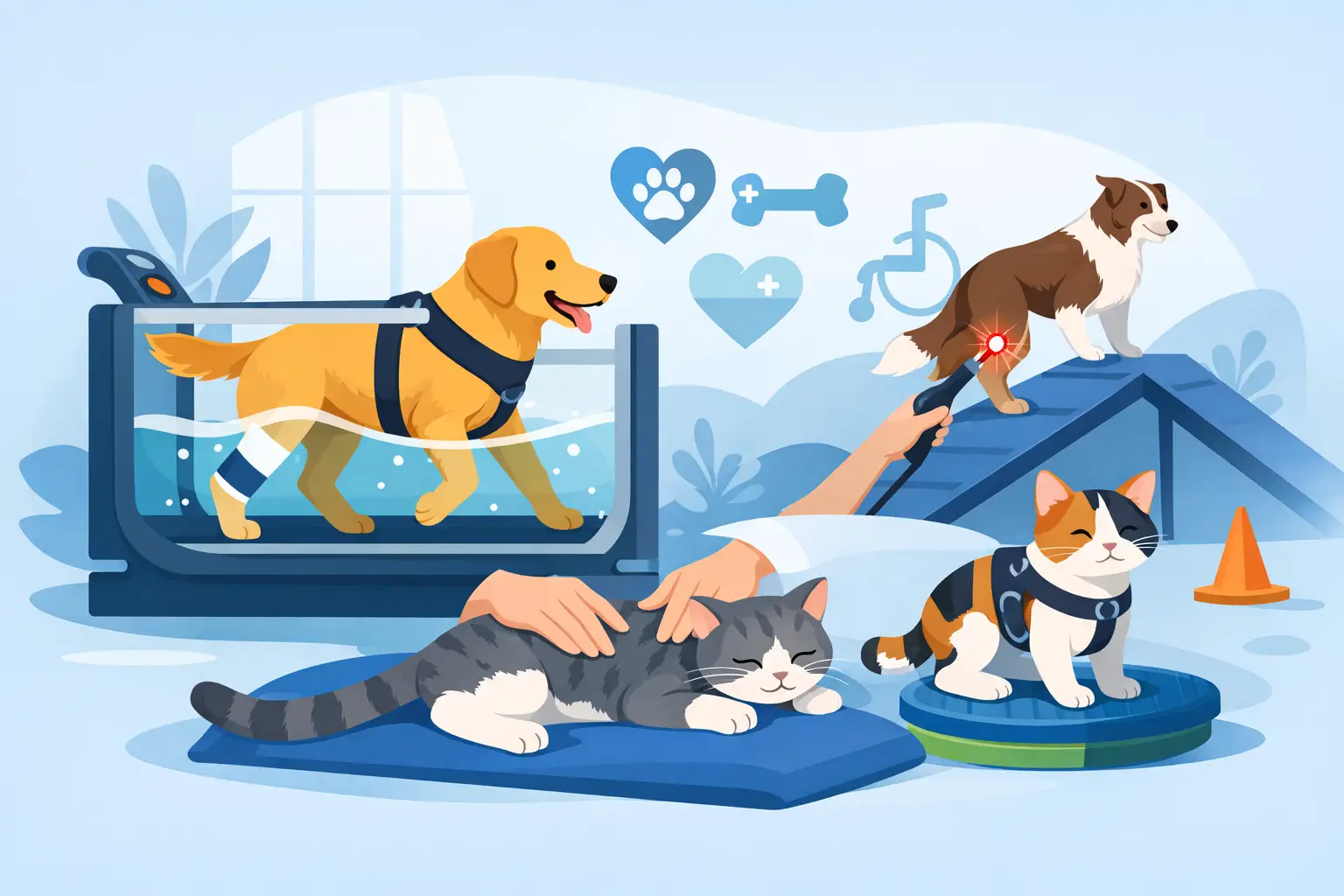
A rehabilitation plan may include guided therapeutic exercises, controlled leash walking, cold or heat therapy, laser therapy, and hydrotherapy. An underwater treadmill can allow a dog to practice walking with less impact on healing joints. These tools are especially helpful for dogs recovering from cruciate surgery, fractures, arthritis, or neurologic conditions, but the plan should always be tailored to the patient.
At AV Veterinary Center, advanced diagnostics, surgical care, rehabilitation, hydrotherapy, and supportive therapies can be coordinated in one setting. That continuity helps families spend less time managing separate providers and gives the veterinary team a fuller picture of each dog’s progress.
How to support a better long-term outcome
A successful repair still needs lifelong joint support. Keeping your dog at a healthy weight is one of the most meaningful ways to reduce stress on healing and arthritic joints. Even a modest amount of excess weight can make stairs, walks, and rising from rest more difficult.
Continue regular veterinary visits after formal recovery ends. Your veterinarian can monitor gait, comfort, muscle condition, and signs of developing arthritis. They can also help adjust exercise, nutrition, supplements, pain management, or rehabilitation as your dog ages.
Orthopedic surgery can be a major moment in a dog’s life, but it does not have to define the rest of it. With a timely diagnosis, skilled treatment, and patient recovery support at home, many dogs return to the walks, games, and family routines they enjoy most. If your dog is limping, suddenly weak, or showing signs of pain, schedule an evaluation promptly so your family can make the next decision with clarity and care.