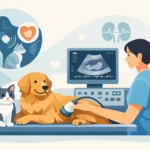
When your dog keeps vomiting, your cat stops eating, or your pet may have swallowed something they should not have, waiting and wondering is hard. A pet endoscopy procedure can give your veterinarian a close look inside the body without making a large surgical incision, which often means faster answers and, in some cases, less discomfort for your pet.
For many families, the word endoscopy sounds intimidating at first. In reality, it is a common advanced diagnostic tool used to examine areas like the esophagus, stomach, upper small intestine, colon, and airways. In the right case, it can help us diagnose a problem, collect samples for testing, or even remove a foreign object before it causes more damage.
What is a pet endoscopy procedure?
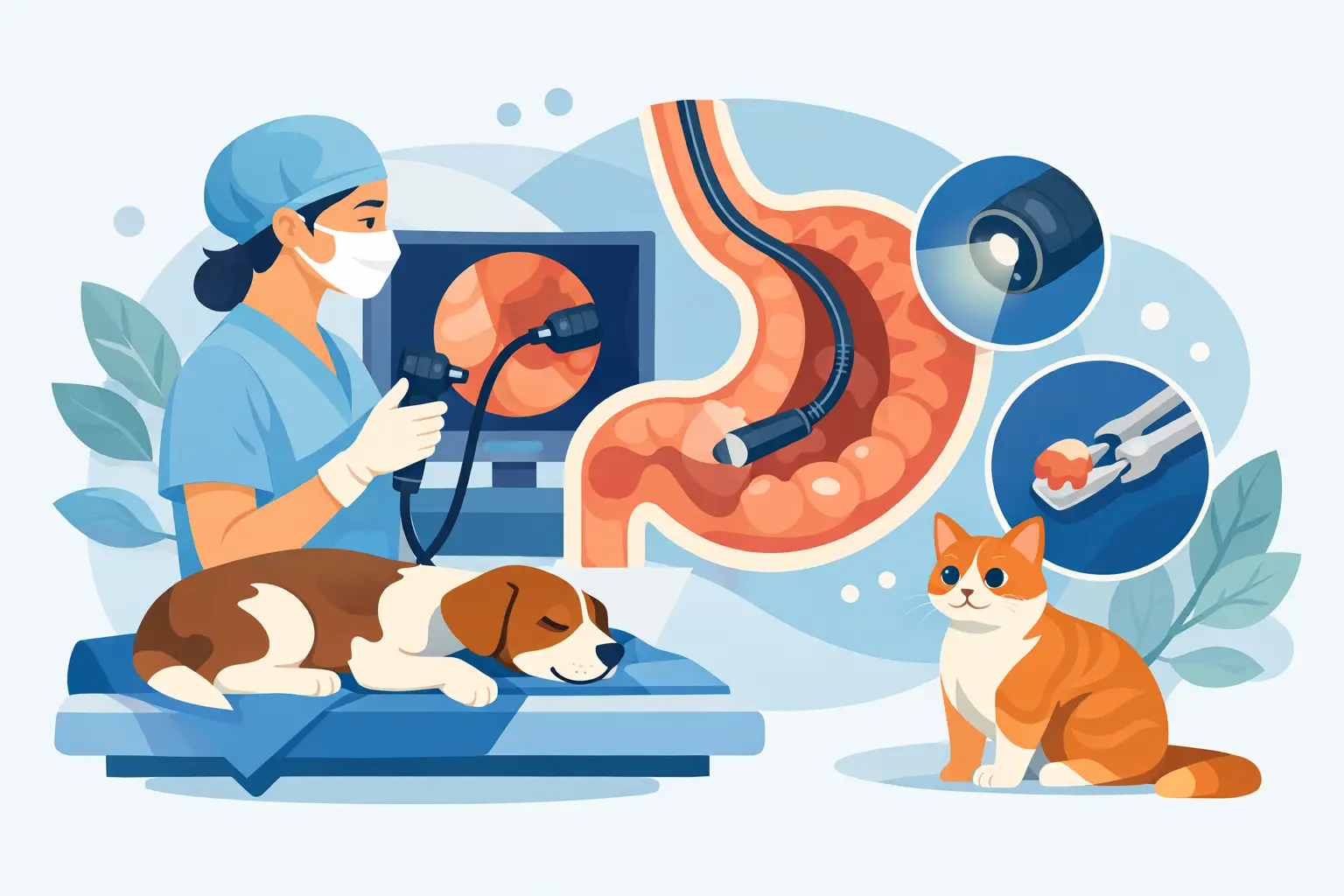
A pet endoscopy procedure uses a thin, flexible tube with a camera and light on the end to look inside certain parts of your pet’s body. The scope is carefully guided through a natural opening, such as the mouth or rectum, so your veterinary team can see internal tissues in real time on a monitor.
Because the camera provides magnified images, endoscopy can reveal inflammation, ulcers, abnormal tissue, bleeding, narrowing, masses, and lodged objects that may not be fully explained by an exam alone. Small instruments can also pass through the scope to collect biopsies or retrieve certain foreign materials.
This is one reason endoscopy is so valuable. It is not just about looking. It can also help your veterinarian make a more accurate diagnosis and build a treatment plan based on what is actually happening inside your pet’s body.
When veterinarians recommend endoscopy
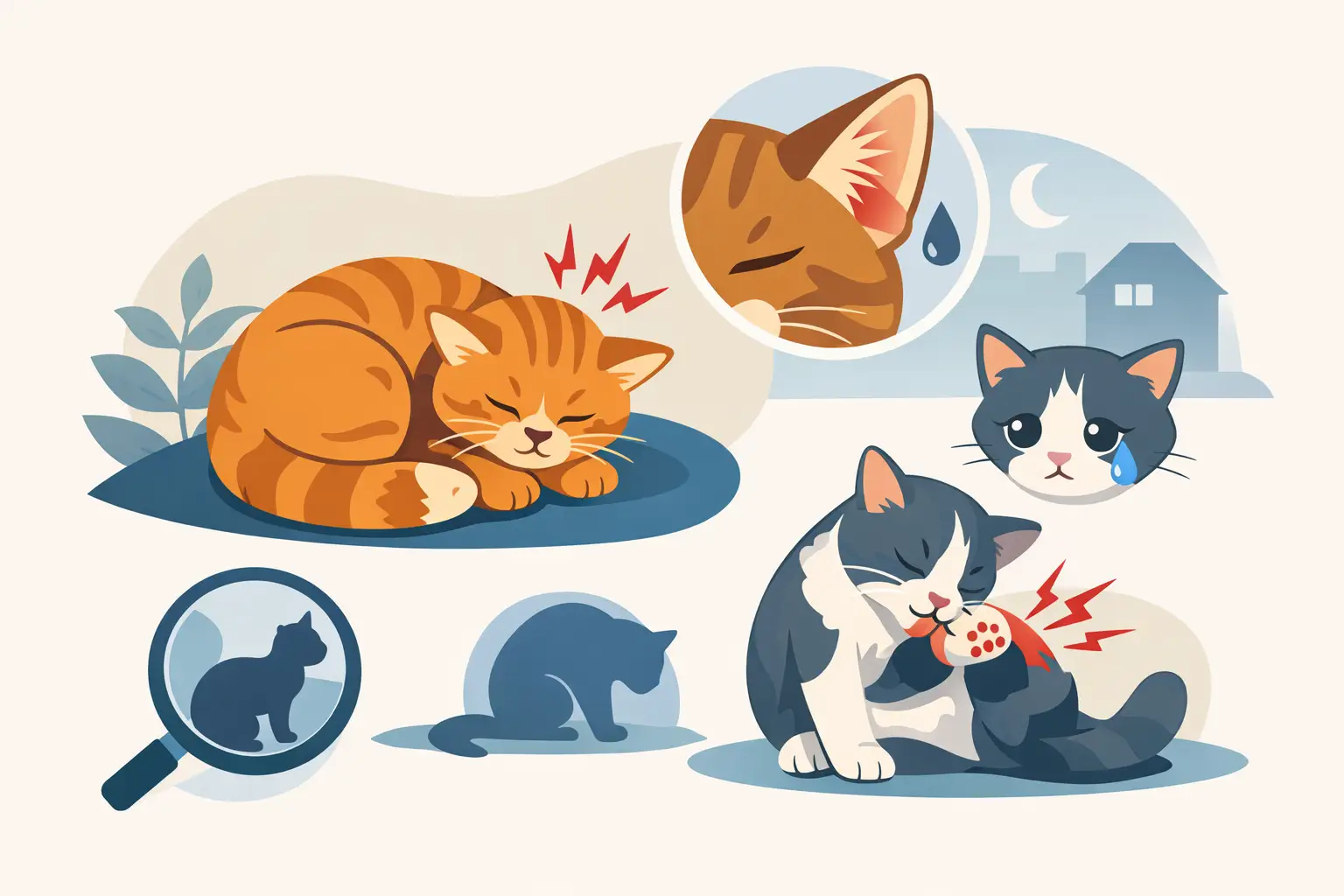
Endoscopy is not the right answer for every case, but it is especially helpful when symptoms suggest a problem in the gastrointestinal tract or respiratory system. Dogs and cats may be candidates if they have chronic vomiting, regurgitation, diarrhea, weight loss, trouble swallowing, coughing, nasal discharge, or suspected foreign body ingestion.
Sometimes imaging such as X-rays or ultrasound points us toward endoscopy. Other times, bloodwork and physical exam findings suggest that a closer internal view is the next best step. If your pet swallowed a small object, an endoscope may allow removal without a traditional abdominal surgery. That can make a major difference in recovery time.
There are trade-offs, though. Endoscopy can only reach certain areas, and not every object or condition can be managed this way. If the foreign material is too large, too sharp, stuck in a difficult location, or has already caused a tear or blockage, surgery may still be the safer option.
What a pet endoscopy procedure can diagnose
The value of a pet endoscopy procedure often comes down to clarity. Symptoms like vomiting or coughing can have many causes, and pets cannot tell us exactly what they are feeling. Endoscopy helps narrow the possibilities by letting us directly inspect the tissue.
In the digestive tract, it may help identify gastritis, inflammatory bowel disease, esophagitis, ulcers, polyps, masses, or irritation caused by a foreign object. In some patients, biopsies taken during the procedure are the key to distinguishing between inflammation, infection, and more serious disease.
In the airways, endoscopy may be used to investigate chronic cough, airway inflammation, collapse, infection, or inhaled debris. A scope can also help evaluate the nasal passages in selected cases, especially when a pet has ongoing nasal discharge, sneezing, or bleeding.
The exact benefit depends on the problem we are trying to solve. In some cases, endoscopy gives a diagnosis immediately. In others, it is one important part of a larger workup that may also include laboratory testing, imaging, or surgery.
Preparing your pet for endoscopy
Most pets need anesthesia for endoscopy so they remain still, comfortable, and safe throughout the procedure. That makes preparation important. Your veterinary team will give you specific instructions, which often include fasting for a set number of hours beforehand. If the lower intestinal tract is being examined, additional preparation may be needed.
Before anesthesia, your veterinarian may recommend bloodwork and other pre-procedure testing to evaluate your pet’s overall health and reduce risk. This is especially important for senior pets, brachycephalic breeds, and pets with heart, lung, liver, or kidney concerns.
If your pet takes daily medications, ask whether they should be given the morning of the procedure. The answer depends on the medication and the condition being treated. Clear communication here matters because even routine medications can affect timing, stomach contents, or anesthesia planning.
What happens during the procedure
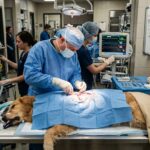
Once your pet is under anesthesia, the veterinarian gently inserts the endoscope into the area being examined. The camera sends live images to a screen, allowing the doctor to evaluate the lining of the organ and look for anything abnormal.
If needed, tiny tools can pass through the scope to take biopsy samples or retrieve an object. This part is especially helpful when tissue looks irritated but the cause is unclear. A visual exam alone can suggest a diagnosis, but biopsy results often provide the detail needed to guide treatment with confidence.
How long the procedure takes depends on what is being evaluated and whether treatment is performed at the same time. A straightforward scope may be relatively quick, while a more complex case involving sample collection or foreign body removal can take longer.
Recovery after a pet endoscopy procedure
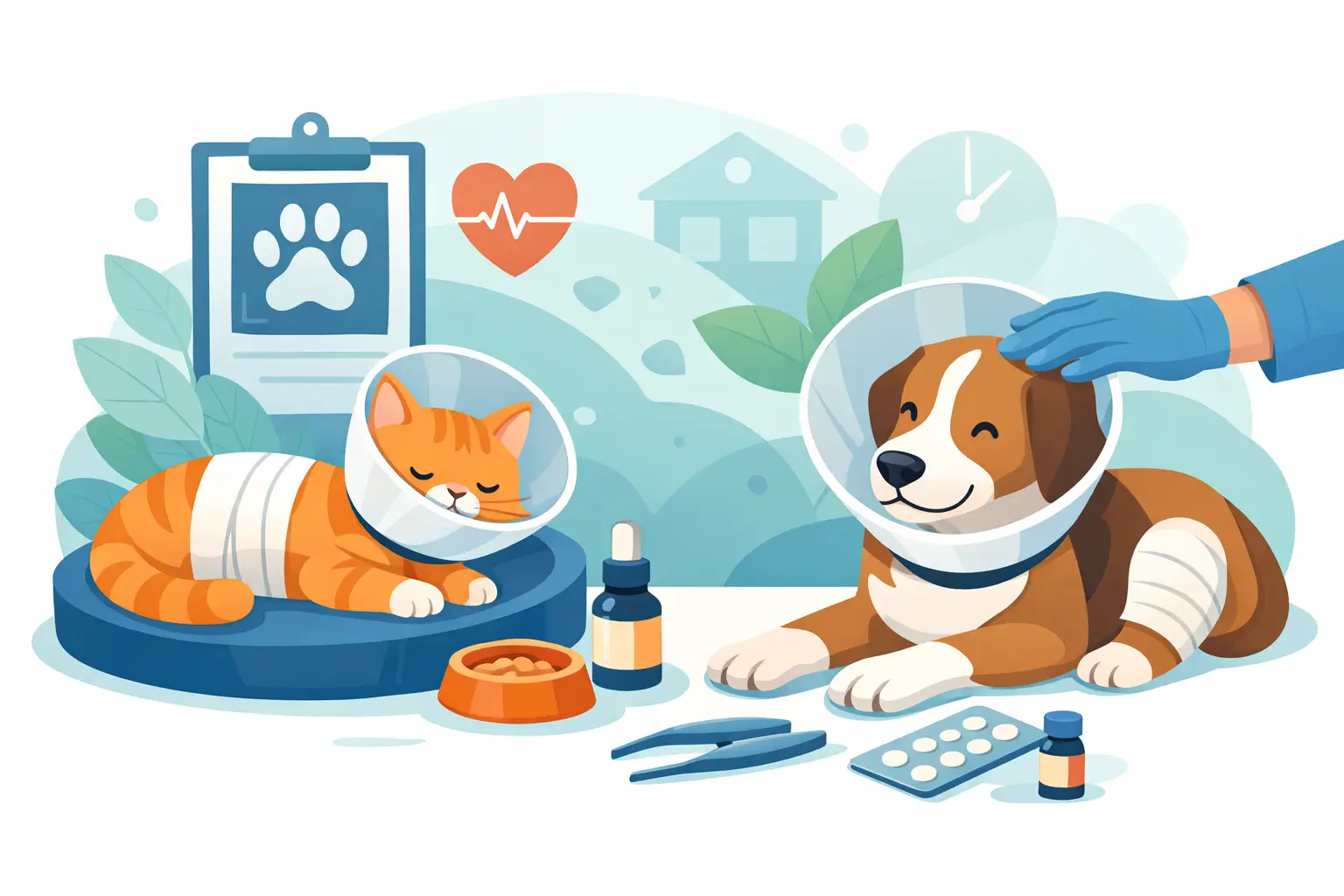
Most pets go home the same day unless they need additional monitoring or treatment. Because anesthesia is involved, some grogginess is normal for the rest of the day. Your pet may be quieter than usual, and mild throat irritation can happen after an upper endoscopy.
Your veterinary team will give you discharge instructions based on your pet’s specific findings. Some pets return to normal meals quickly, while others need a bland diet, medication, or a slower transition back to routine. If biopsies were taken, results usually take additional time, so the final treatment plan may be updated once the lab report is available.
Call your veterinarian if your pet has persistent vomiting, severe lethargy, trouble breathing, signs of pain, or refuses food longer than expected after coming home. Most recover smoothly, but prompt follow-up is always best if something seems off.
Benefits and limits of endoscopy
One of the biggest benefits of endoscopy is that it can be less invasive than surgery. There is no large external incision, and in some cases that means less pain, less recovery time, and a quicker return home. It can also help avoid exploratory surgery when a direct internal view and biopsy can answer the question.
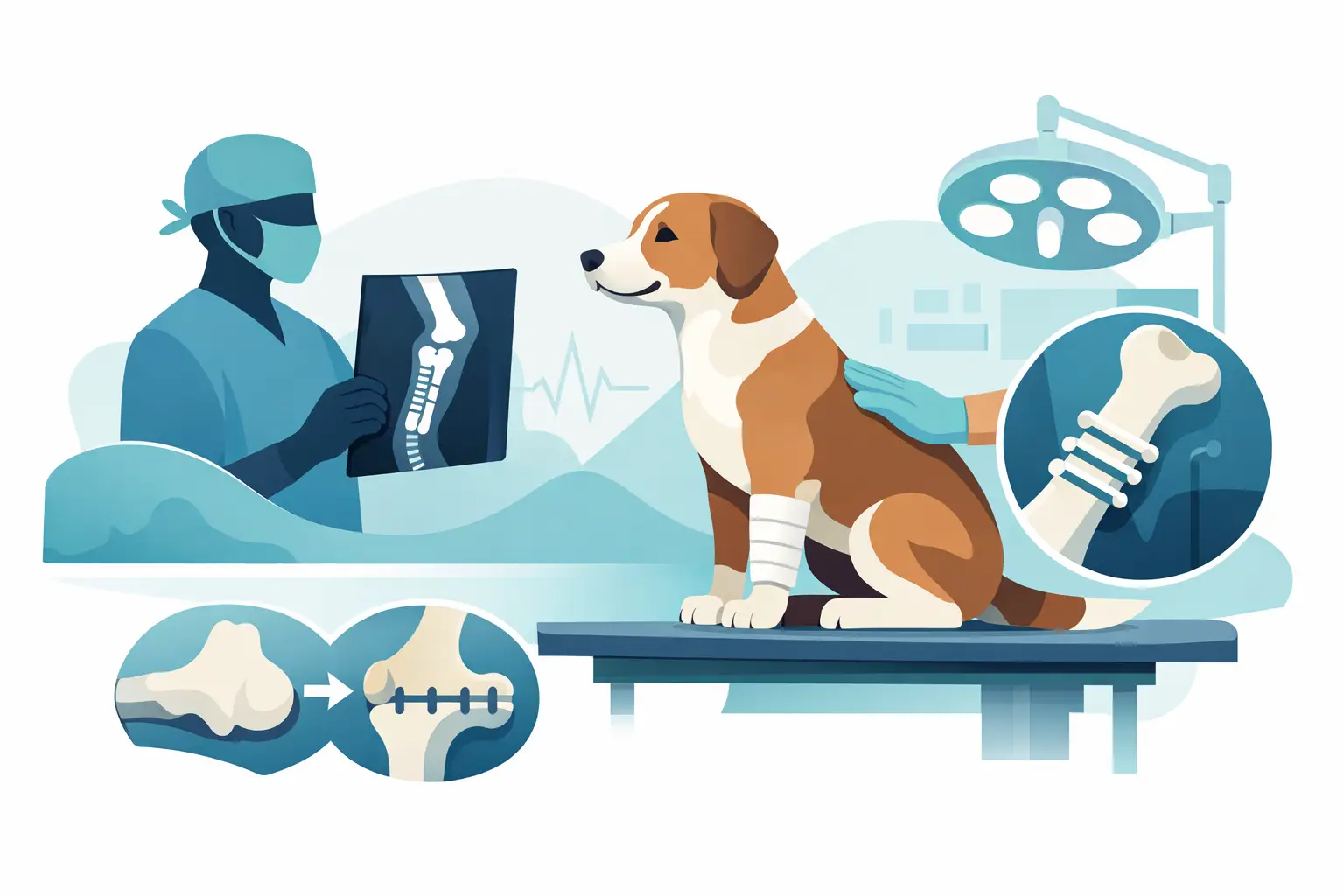
That said, less invasive does not mean minor in every sense. Your pet still needs anesthesia, monitoring, and a careful diagnostic plan. Endoscopy also does not replace surgery when a condition requires full access to the abdomen or chest, when disease lies beyond the reach of the scope, or when a foreign body has already caused serious damage.
This is where experience and advanced diagnostic capability matter. The best approach is the one that fits your pet’s condition, not the one that sounds simplest on paper.
When to seek care quickly
If you think your dog or cat swallowed a toy, bone fragment, string, sock, hook, or other object, do not wait to see what happens. The same goes for repeated vomiting, collapse, difficulty breathing, a painful abdomen, or sudden inability to eat or swallow.
Some cases can be managed with endoscopy if addressed early. Others become surgical emergencies if delayed. At AV Veterinary Center, advanced imaging, endoscopy, and surgical care can help families move from uncertainty to answers without wasting valuable time.
If your pet has ongoing digestive or respiratory symptoms, the next step may be more straightforward than you think. A thoughtful diagnostic plan can tell us whether endoscopy is likely to help, or whether another path will give your pet the safest and most effective care.
When your pet is uncomfortable, you want clear answers and a team you can trust. Asking whether endoscopy is an option is a practical place to start, and sometimes it is the step that brings both relief and direction.