The hardest part for many families is not the surgery itself. It is the first few days at home, when your dog looks uncomfortable, wants to move at the wrong times, or suddenly seems quieter than usual. Dog rehabilitation after surgery helps bridge that gap between a successful procedure and a safe, steady return to normal life.
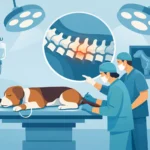
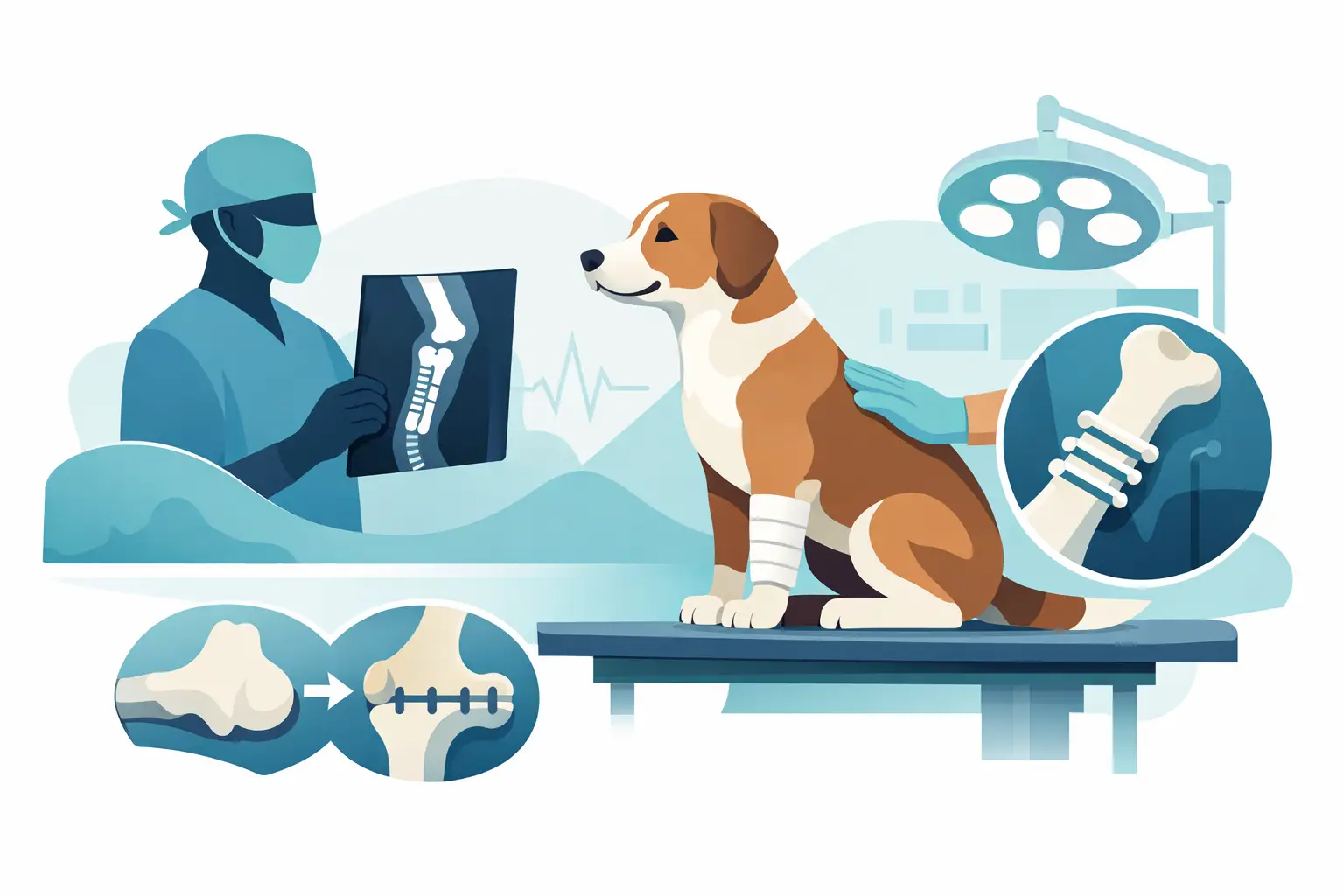
For some dogs, recovery is fairly straightforward. For others, especially after orthopedic, neurologic, or spinal procedures, healing needs a more structured plan. Rehabilitation is not just exercise. It is a medically guided process designed to reduce pain, protect healing tissues, rebuild strength, improve mobility, and lower the risk of setbacks.
Why dog rehabilitation after surgery matters
After surgery, the body needs rest, but healing does not mean complete inactivity forever. Too much movement too soon can strain an incision or repair. Too little movement for too long can lead to stiffness, muscle loss, poor weight shifting, and delayed return to function.
That balance is where rehabilitation becomes valuable. A tailored recovery plan supports healing while helping your dog regain comfort and confidence. This is especially important after cruciate ligament surgery, fracture repair, spinal surgery, patella procedures, hip surgery, and other operations that affect strength, balance, or range of motion.
Rehabilitation can also improve quality of life during recovery. Controlled therapies may help manage swelling, encourage healthier gait patterns, and make daily movement less stressful. In practical terms, that can mean your dog stands up more easily, walks with better coordination, and returns to family routines with less discomfort.
What rehabilitation may include
A post-surgical rehabilitation plan depends on the procedure, your dog’s age, body condition, temperament, and overall health. There is no one-size-fits-all timeline.
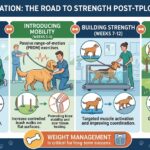
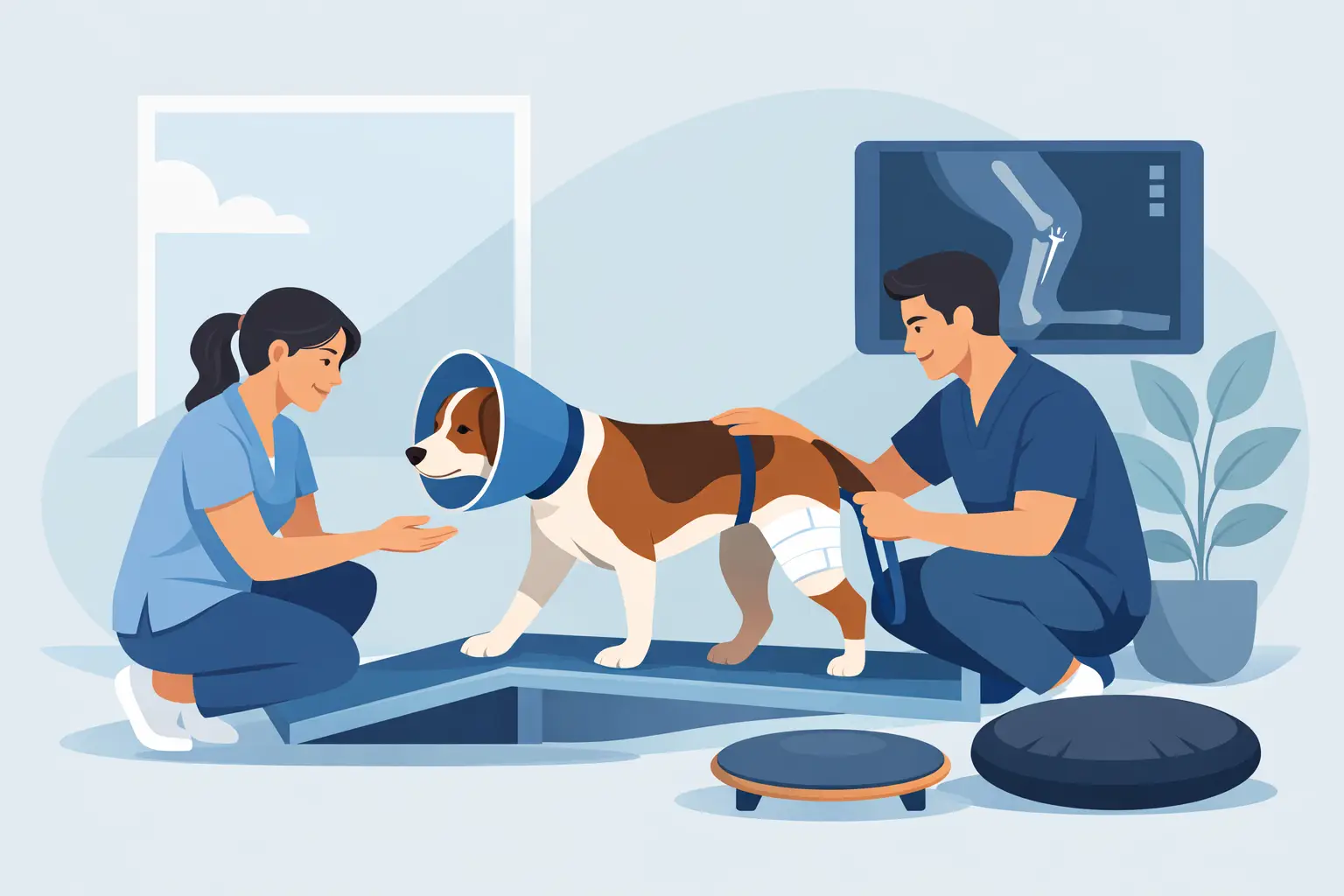
In the early phase, the focus is often pain control, incision protection, and safe movement. That may include assisted standing, short leash walks, gentle range-of-motion work when appropriate, and strategies to prevent slipping at home. Some dogs also benefit from cold therapy early on to help manage inflammation.
As healing progresses, treatment may shift toward rebuilding strength and coordination. Therapeutic exercises can target specific muscle groups and help your dog relearn normal movement patterns. Balance work, controlled sit-to-stand exercises, and carefully measured walking programs are common examples.
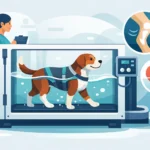
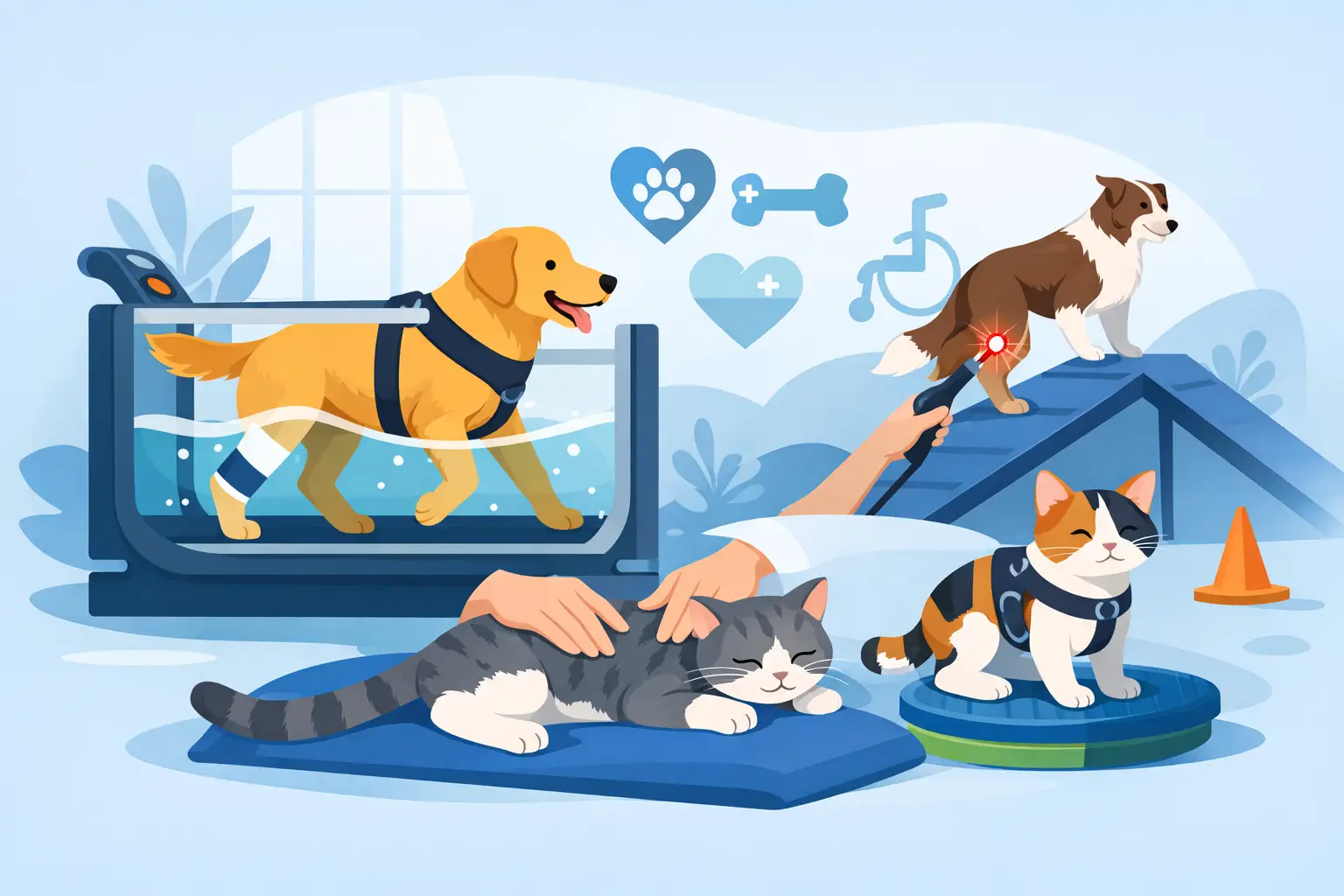
Hydrotherapy can be especially useful for certain patients. An underwater treadmill allows dogs to move with reduced joint impact while still engaging muscles and practicing a more natural gait. It is not right for every dog at every stage, but when timed correctly, it can be an effective part of recovery.
Some patients may also benefit from additional supportive therapies based on their condition and surgical history. The goal is always the same – safer healing and better function.
The first weeks at home
The home environment has a major effect on recovery. Even a well-performed surgery can be compromised by jumping on furniture, slick floors, rough play, or unplanned activity.
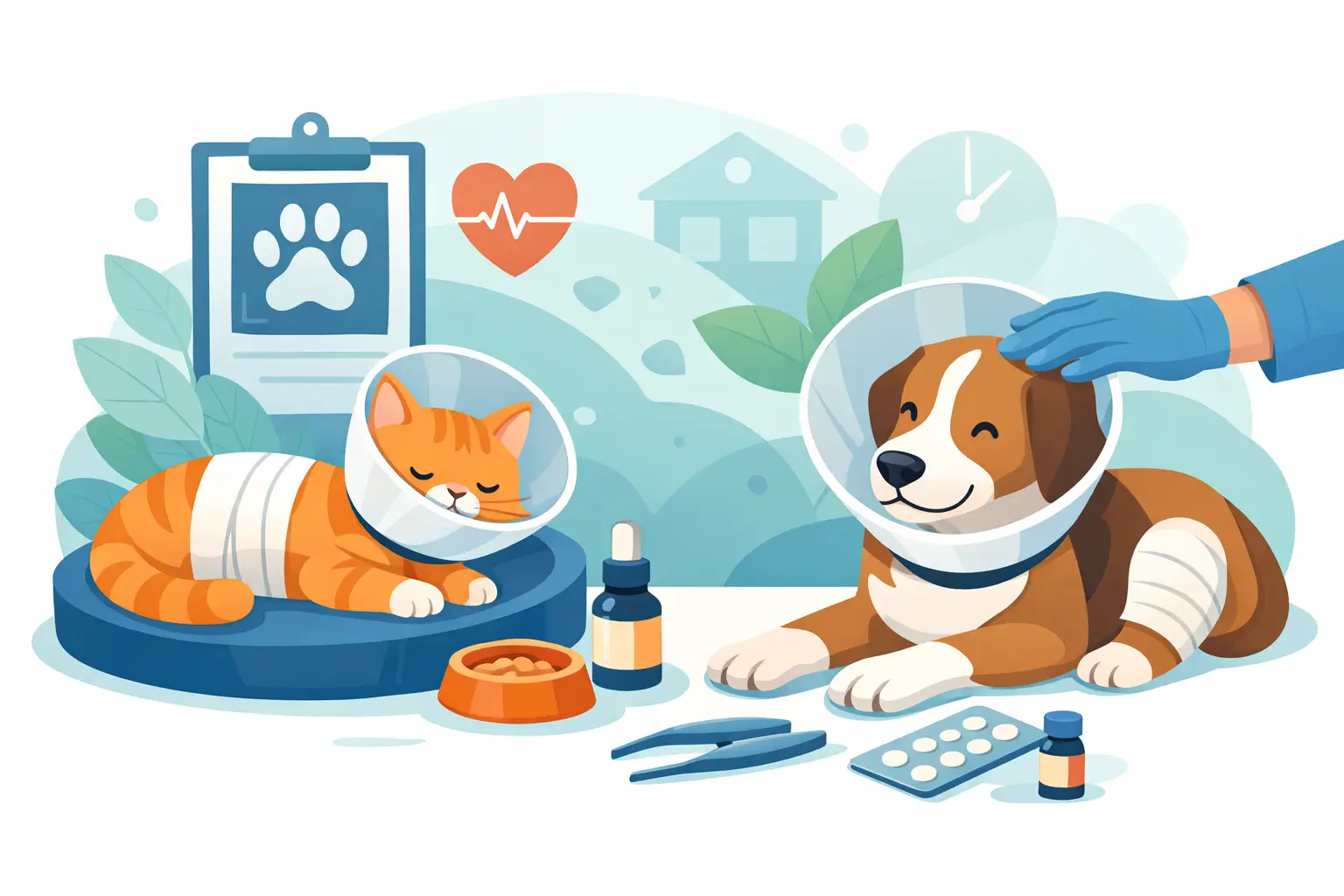
Most dogs need temporary lifestyle changes. That often means strict leash walking only, no stairs unless specifically allowed, no running in the yard, and careful supervision around other pets and children. Crate rest or confinement to a small, secure area may be necessary, especially during the earliest phase of healing.
Families are often surprised by how much management matters. A dog may seem better before the body is actually ready for more activity. Feeling brighter is encouraging, but it does not always mean the repair is strong enough for normal movement.
Simple changes can make recovery safer. Non-slip rugs, blocked-off furniture, supportive bedding, and ramps can all help reduce strain. If your dog needs help getting up or walking outside, a sling or harness may be recommended.
Signs recovery is going well
Progress is usually gradual, not dramatic. Many owners expect a straight line, but recovery often comes in stages. One week may bring better weight bearing, while the next is more about comfort and endurance.
Positive signs include steady improvement in mobility, willingness to use the affected limb as expected for that stage, comfortable rest, and improving participation in prescribed exercises. Appetite, attitude, and sleep can also tell you a lot about how your dog is feeling.
Your veterinary team may track progress through repeat exams, gait assessment, pain evaluation, and adjustments to exercise intensity. These check-ins matter because rehabilitation should evolve as healing progresses.
When to call your veterinarian
Some changes during recovery are expected. Others should be addressed right away.
If your dog suddenly stops using a limb, cries out during movement, develops worsening swelling, has incision redness or discharge, seems unusually lethargic, or loses interest in food, it is time to contact your veterinarian. The same is true if prescribed exercises seem to cause increasing pain or if your dog has a slip, fall, or other setback.
It is always better to ask early than wait. Small issues can become larger ones if they are missed during the post-surgical period.
How long dog rehabilitation after surgery takes
This is one of the most common questions, and the honest answer is that it depends. Recovery time varies by surgery type, the stability of the repair, your dog’s starting condition, and how consistently the home plan is followed.
A routine soft tissue procedure may require limited rehabilitation beyond rest and gradual return to activity. Orthopedic and neurologic surgeries often need a longer, more structured course. Some dogs make meaningful gains within a few weeks, while others benefit from rehabilitation over several months.
Age matters, but not in the way many people think. Senior dogs may take longer to rebuild muscle and stamina, yet they can still do very well with an appropriate plan. Younger dogs often heal quickly but may be harder to restrict because they feel energetic before they are ready.
Weight also plays a role. Excess weight can put more strain on healing joints and soft tissues, which is why nutrition and body condition are often part of the conversation during recovery.
The value of a coordinated care team
Post-surgical recovery tends to go more smoothly when rehabilitation is part of a coordinated medical plan rather than an afterthought. When the surgical team, rehabilitation team, and family are working from the same timeline, it becomes easier to know what activities are safe, what progress is expected, and when changes should be made.
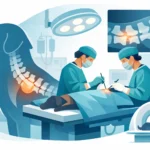
That coordination is especially helpful for complex cases. Dogs recovering from orthopedic, neurologic, or spinal procedures may need imaging, rechecks, pain management, therapeutic exercise, and close monitoring under one umbrella of care. Having those services aligned can reduce stress for families and improve continuity for the patient.
At AV Veterinary Center, that kind of comprehensive approach allows dogs to move from advanced surgery into personalized rehabilitation with the same focus on safety, comfort, and evidence-based care.
What pet owners can do to help
The most effective rehabilitation plans are the ones families can realistically follow. Consistency matters more than intensity. Short, correctly performed exercises usually do more good than doing too much too soon.
If you are given home exercises, ask for clear demonstrations and written instructions. You should know how often to do them, what normal looks like, and what signs mean you should stop. If something feels unclear, speak up. Good recovery depends on good communication.
It also helps to keep expectations flexible. Some dogs progress quickly, while others need a slower pace. Comparing your dog to another pet’s timeline can create unnecessary worry. Recovery should be based on your dog’s procedure, exam findings, and response to treatment.
Patience is often the hardest part, but it is also one of the most important parts of healing. The quiet weeks of leash walks, supervised rest, and controlled therapy are what support the stronger, more comfortable months ahead.
If your dog is facing surgery or is already recovering, rehabilitation is worth discussing early. The right plan can protect the procedure you have invested in and help your dog return to daily life with better comfort, strength, and confidence. And for families, that peace of mind matters too.