A cat who is hurting rarely announces it with a limp or a cry. More often, the first clues are quiet changes: a favorite windowsill left unused, a missed jump onto the bed, or a normally social cat who starts spending the day under a chair. Recognizing the top signs of cat pain can help you seek care before discomfort becomes a more serious medical problem.
Cats are naturally skilled at masking vulnerability. That instinct may have helped their wild ancestors stay safe, but it can make pain difficult for a family to spot at home. Paying attention to small shifts in behavior, movement, grooming, appetite, and litter box habits gives your veterinarian valuable information and gives your cat the best chance for prompt relief.
Why Cats Hide Pain So Well
Pain is not a diagnosis. It is a signal that something may be wrong, from dental disease and arthritis to an injury, urinary condition, abdominal illness, or a problem affecting the nerves or spine. Cats may also experience pain after surgery, even when their incision looks normal.
Because cats often continue eating, walking, and using the litter box while uncomfortable, it is easy to assume they are fine. A single unusual behavior may be minor, especially after a household change or stressful event. The concern rises when a change persists, worsens, or appears alongside other symptoms. You know your cat’s normal routines better than anyone, so trust a meaningful change in those routines.
Top Signs of Cat Pain at Home
A change in personality or daily routine
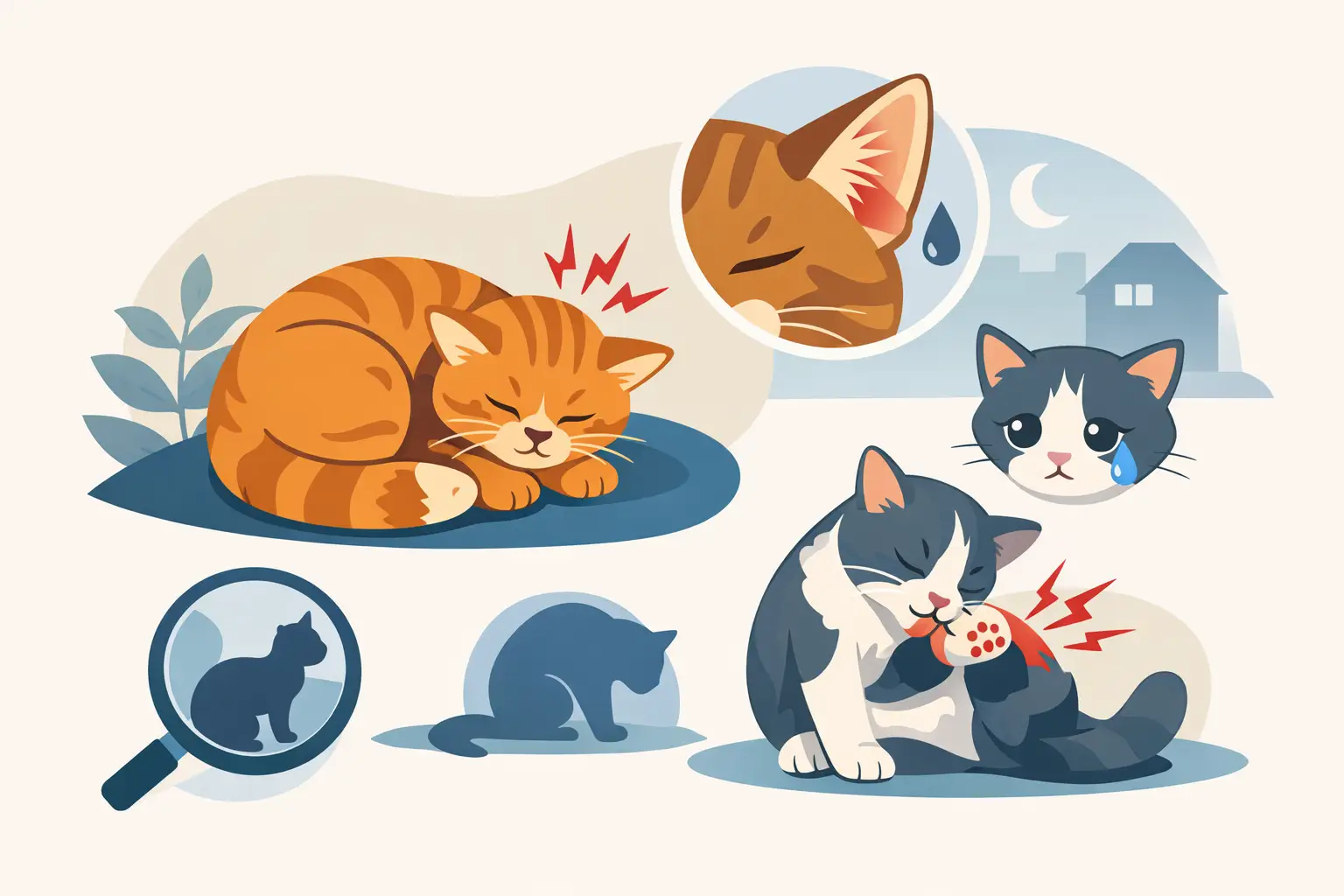
A painful cat may become withdrawn, hide more often, or seem less interested in people, toys, and affection. Some cats become unusually clingy, restless, irritable, or aggressive when touched. A gentle cat who suddenly growls, swats, or bites when picked up is not necessarily being difficult. They may be protecting a painful area.
Watch for reduced activity as well. Your cat may sleep more, stop greeting you, or avoid places that require climbing. These changes can be gradual, particularly in older cats with osteoarthritis, so they are often mistaken for normal aging. Aging does not have to mean living with unmanaged pain.
Changes in movement, posture, and jumping
Limping is an obvious warning sign, but feline discomfort can look much subtler. Your cat may hesitate before jumping, use lower furniture as steps, walk more slowly, keep their back hunched, or sit with their legs tucked unusually close to the body. They may avoid stairs, have trouble getting in or out of the litter box, or lie down and rise with more effort.
Arthritis commonly affects a cat’s hips, knees, elbows, or spine, but injuries, soft tissue strain, paw problems, and neurologic conditions can also change mobility. Do not try to test a painful leg or force your cat to walk. Take a short video of the behavior if you can do so without stressing them. A video can be very helpful during a veterinary exam because cats may move differently in an unfamiliar setting.
Grooming that is neglected or excessive
A comfortable cat usually maintains a fairly consistent grooming routine. A cat with joint pain may stop grooming hard-to-reach areas, leading to a dull coat, matting over the back or hips, or a messy rear end. Conversely, some cats repeatedly lick, chew, or pull at fur over a painful spot. Excessive grooming around the belly can be associated with skin irritation, urinary discomfort, or abdominal pain.
Do not assume overgrooming is purely behavioral. Anxiety can play a role, but a medical evaluation is needed to identify or rule out a physical cause.
Eating and drinking differently
A cat who approaches the bowl but turns away, drops food, chews on one side, or prefers soft food may have mouth pain. Dental disease, a broken tooth, oral inflammation, and other conditions can make eating unpleasant even when appetite is still present.
Reduced appetite can also accompany many painful illnesses. Drinking more or less than usual may be relevant too, particularly when paired with vomiting, weight loss, or litter box changes. Cats should not go without eating for long. If your cat refuses food for a day, or sooner if they are ill, very young, elderly, or have an existing health condition, contact your veterinary team promptly.
Litter box changes
Pain can make it difficult for a cat to climb into a high-sided box, squat, or maintain a normal bathroom routine. You may notice urinating or defecating just outside the box, straining, vocalizing, constipation, diarrhea, or unusually small amounts of urine. Cats with arthritis sometimes avoid a litter box simply because the entry is painful to navigate.
Urinary signs deserve special attention. Straining to urinate, frequent trips to the litter box with little or no urine produced, crying, excessive licking of the genital area, or blood in the urine can indicate a serious condition. Male cats are at particular risk for a life-threatening urinary blockage, which requires immediate emergency care.
Facial expressions and body tension
A cat in pain may hold their ears out to the side or flattened, squint their eyes, tense their whiskers, or look unusually worried. Their body may appear rigid rather than relaxed. Some cats purr when painful or frightened, so purring alone is not a reliable sign that everything is okay.
You may also notice sensitivity when your cat is handled. They may flinch, tense their abdomen, guard a paw, or avoid being brushed in a certain area. Never press on the abdomen, spine, or a swollen area to see whether it hurts. Gentle observation is safer and more useful than trying to locate the source yourself.
When Cat Pain Needs Urgent or Emergency Care
Some signs should not wait for a routine appointment. Seek urgent veterinary guidance right away if your cat has any of the following:
- Difficulty breathing, open-mouth breathing, collapse, profound weakness, or pale or blue-tinged gums.
- Sudden inability to walk, severe limping, suspected trauma, or crying out after a fall or accident.
- Repeated vomiting, a swollen or painful abdomen, or signs of severe distress.
- Straining to urinate, producing little or no urine, or repeated unsuccessful litter box trips.
- A painful eye, a visibly injured eye, sudden vision changes, or a wound that is bleeding heavily.
Pain can worsen quickly when it is tied to trauma, urinary obstruction, internal illness, or a neurologic emergency. If you are unsure whether a symptom is urgent, calling for guidance is the safer choice.
What to Do If You Think Your Cat Hurts
Keep your cat quiet, comfortable, and indoors while you arrange an evaluation. Limit jumping by keeping food, water, bedding, and a low-entry litter box nearby. Handle them carefully and use a carrier for transport, especially if they are frightened or may react defensively because of pain.
Do not give human pain medicines or leftover medication from another pet. Acetaminophen, ibuprofen, naproxen, and many other common medications can be extremely dangerous for cats, even in small amounts. Safe pain control depends on the cause of the problem, your cat’s age, kidney and liver health, other medications, and the results of their examination and diagnostics.
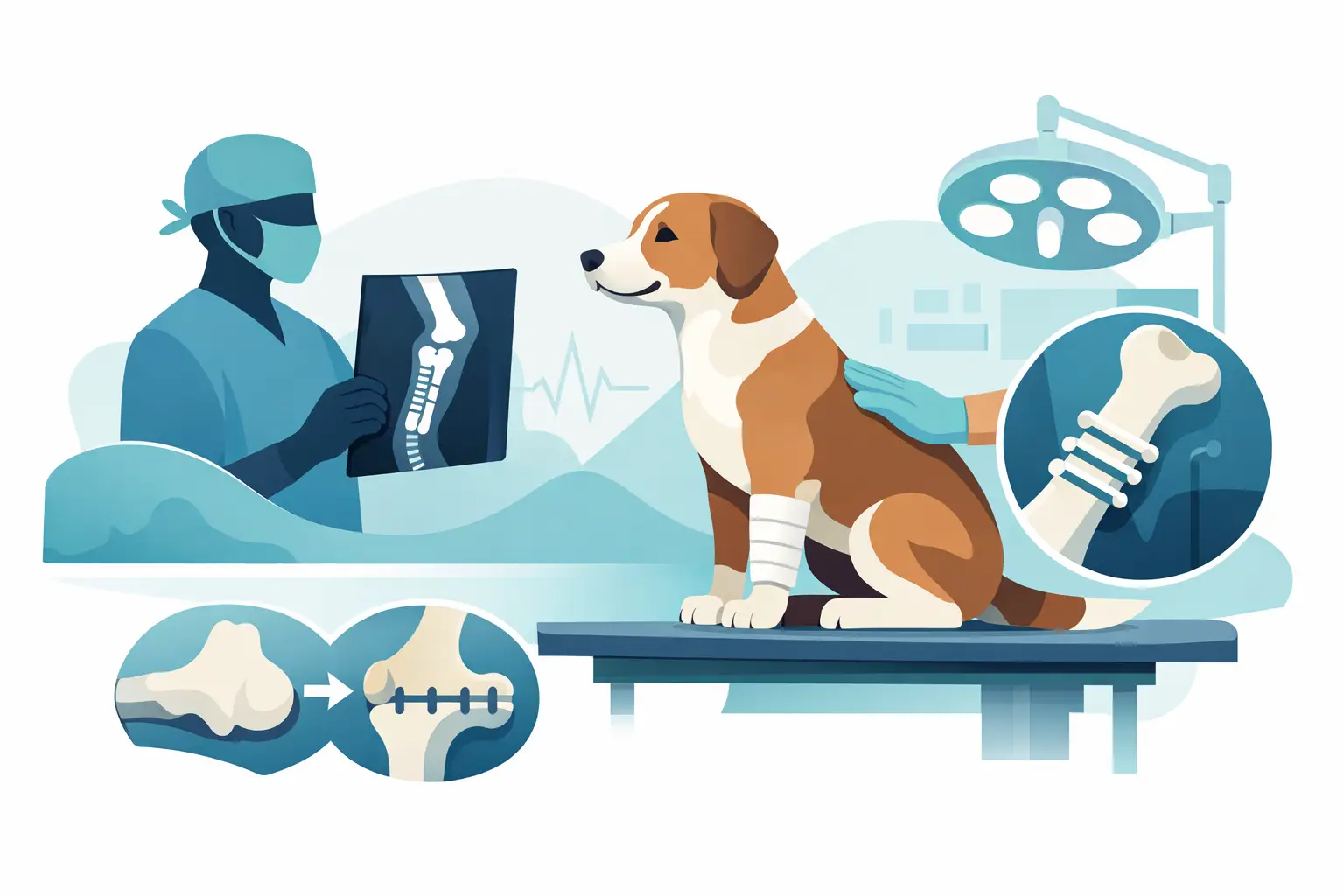
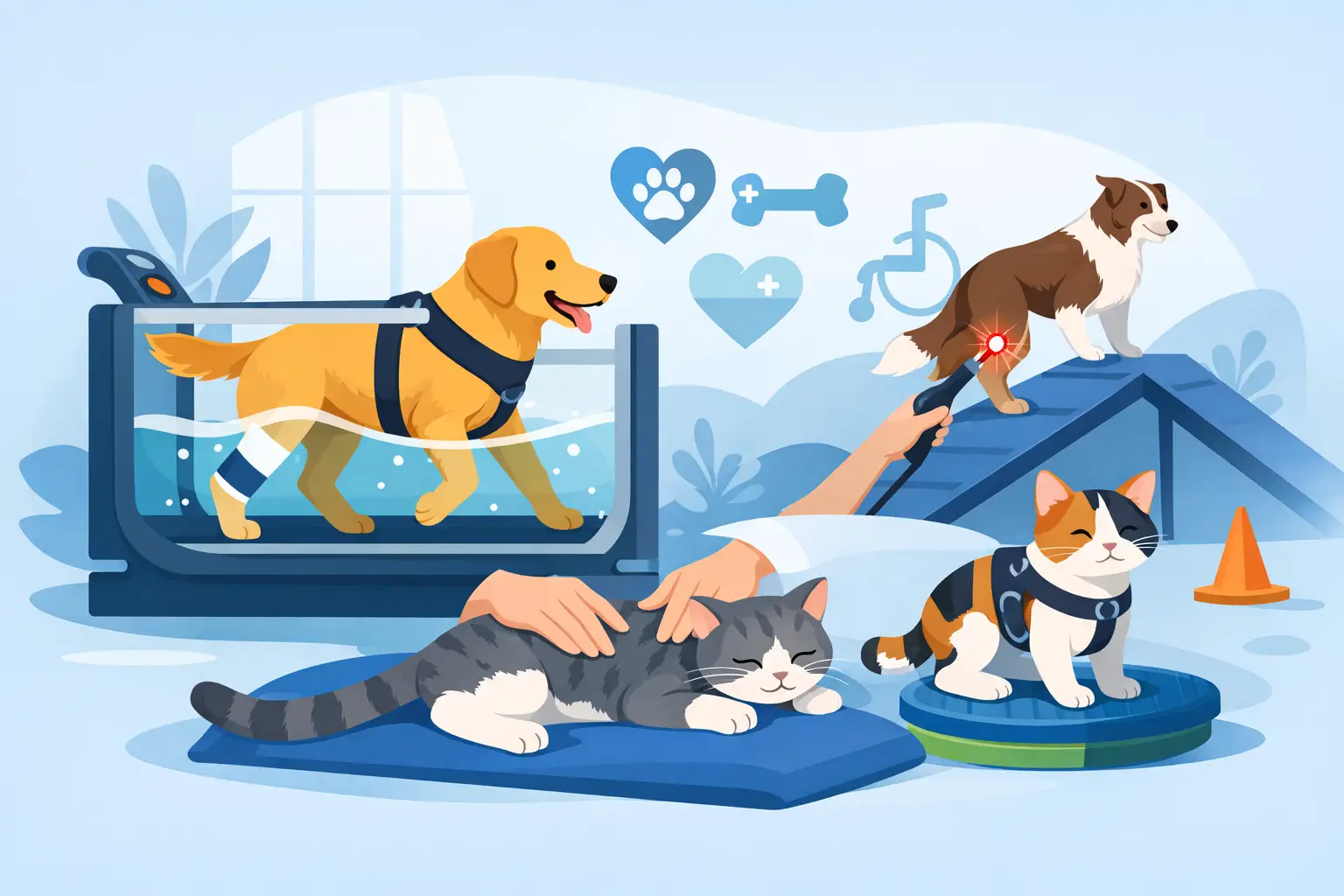
At AV Veterinary Center, a pain assessment may include a hands-on exam, dental evaluation, bloodwork, X-rays, ultrasound, CT imaging, or other diagnostics based on your cat’s symptoms. This careful approach helps identify the underlying cause rather than simply masking discomfort. Treatment may include feline-appropriate medication, dental care, surgery, rehabilitation, or a tailored plan for chronic conditions such as arthritis.
A quiet cat still deserves to feel comfortable. If something about your cat’s movement, habits, or behavior feels different, schedule an evaluation or call promptly for guidance. Early attention can spare your family member unnecessary pain and provide answers when they need them most.