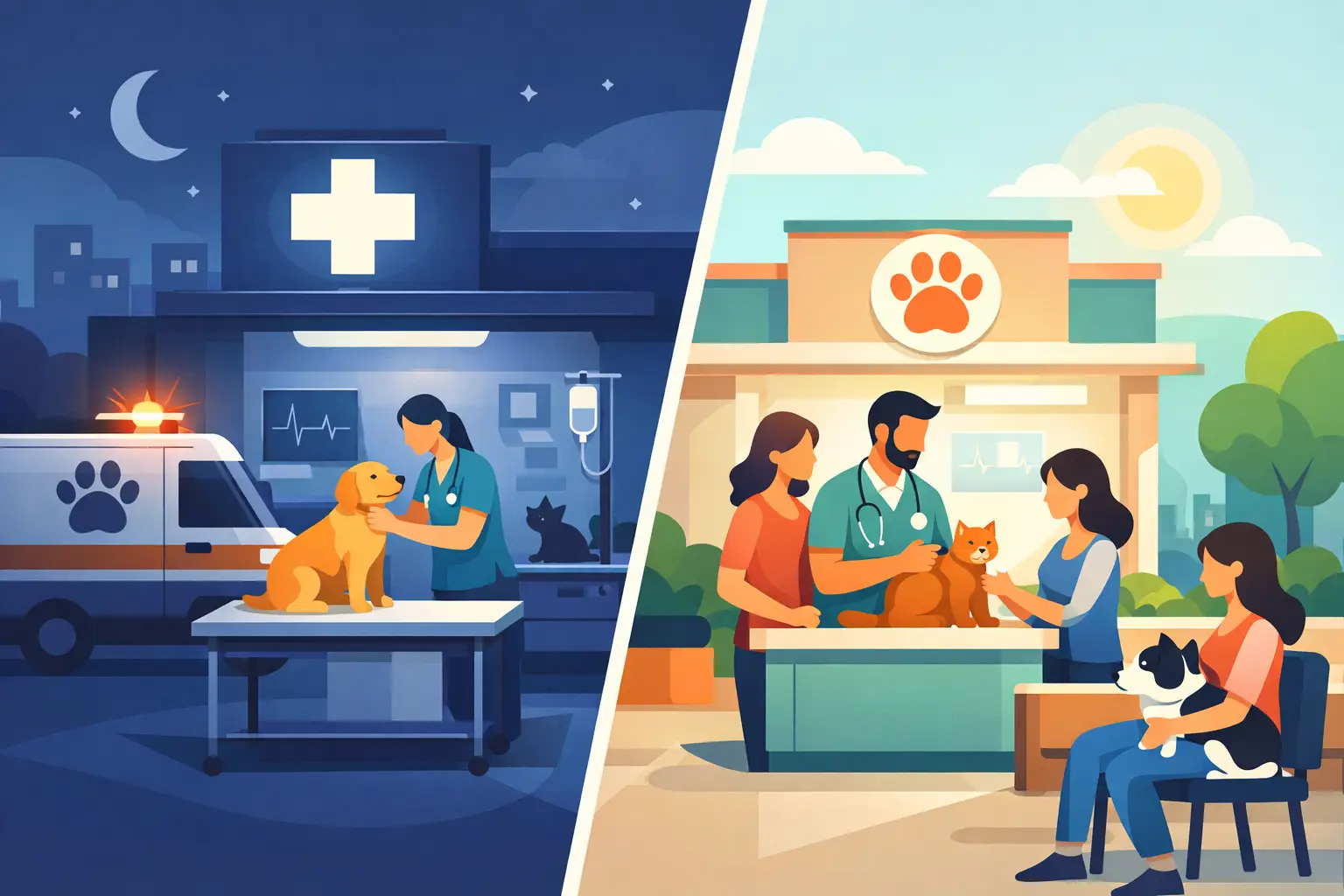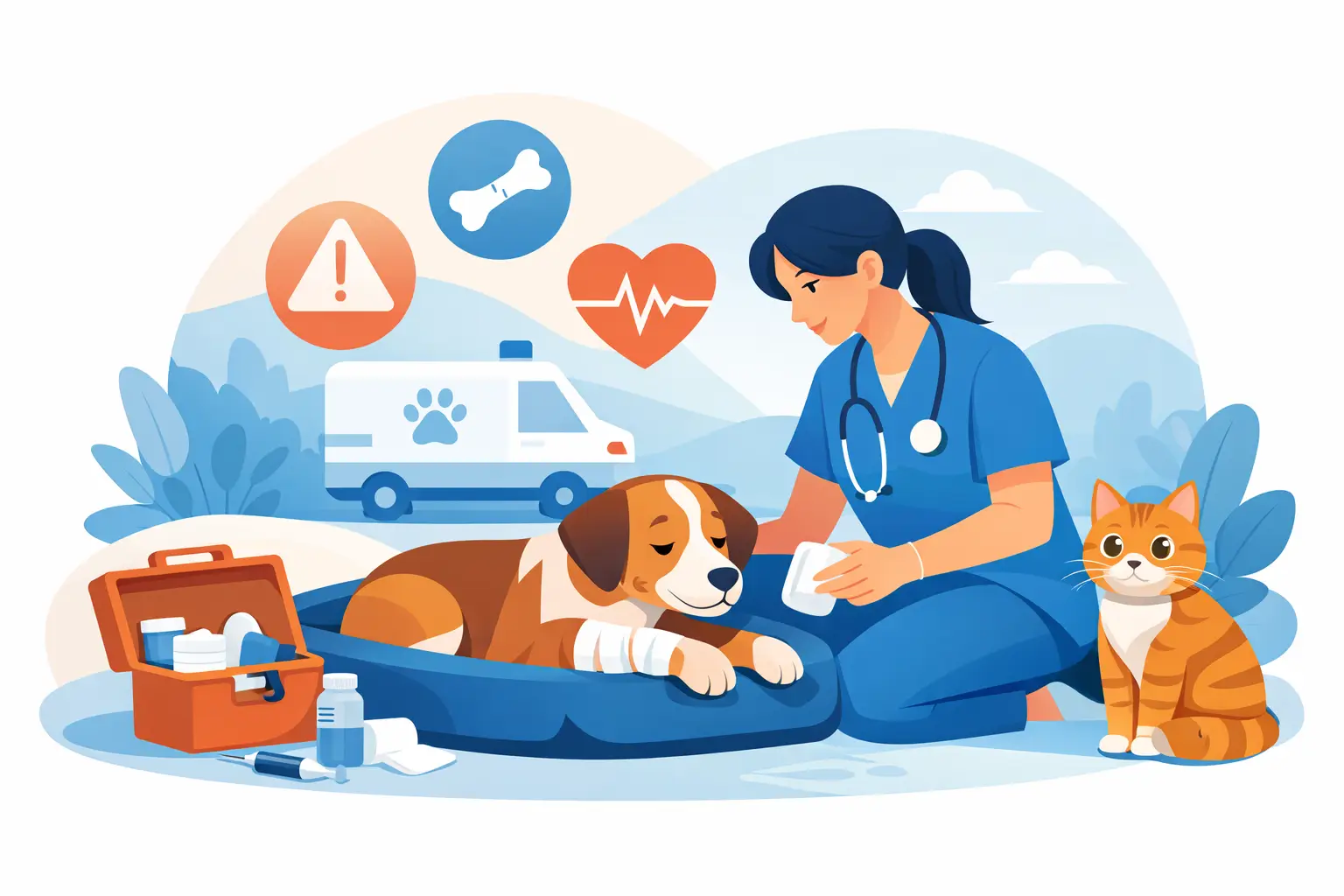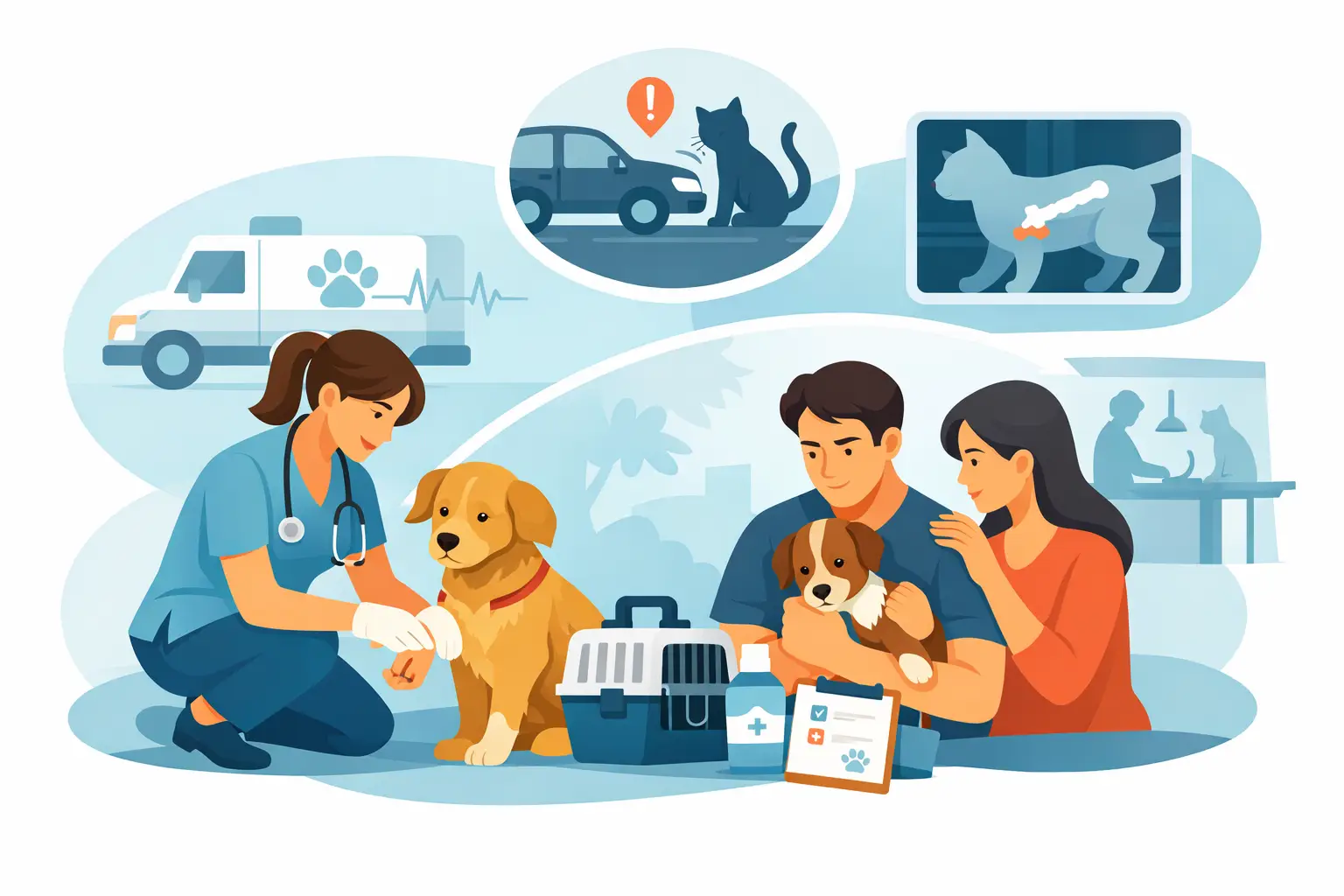
A dog that suddenly cannot jump onto the couch, cries when picked up, or starts dragging a leg can go from playful to frightened in a matter of hours. For many families, that moment is when questions turn urgent. Spinal surgery at AV Veterinary Center is designed for pets who need timely, advanced care with clear answers, careful planning, and compassionate support from diagnosis through recovery.
When spinal problems become a surgical issue
Not every back or neck problem requires surgery. Some pets improve with rest, pain control, anti-inflammatory medication, and close monitoring. Others need a faster, more advanced approach because the spinal cord or surrounding structures are under significant pressure.
In dogs and cats, spinal disease can show up in several ways. You may notice pain when your pet moves, reluctance to walk, wobbliness, weakness, knuckling of the paws, trouble standing, or loss of bladder control. In more severe cases, a pet may become partially or fully paralyzed. These signs can develop slowly, but they can also appear suddenly, especially with disc disease or trauma.
That is where a full medical workup matters. The goal is not simply to confirm that the spine hurts. The goal is to identify exactly where the problem is, what is causing it, and whether surgery offers the best chance for comfort and function.
What conditions may require spinal surgery at AV Veterinary Center
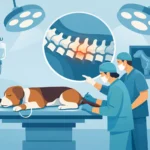
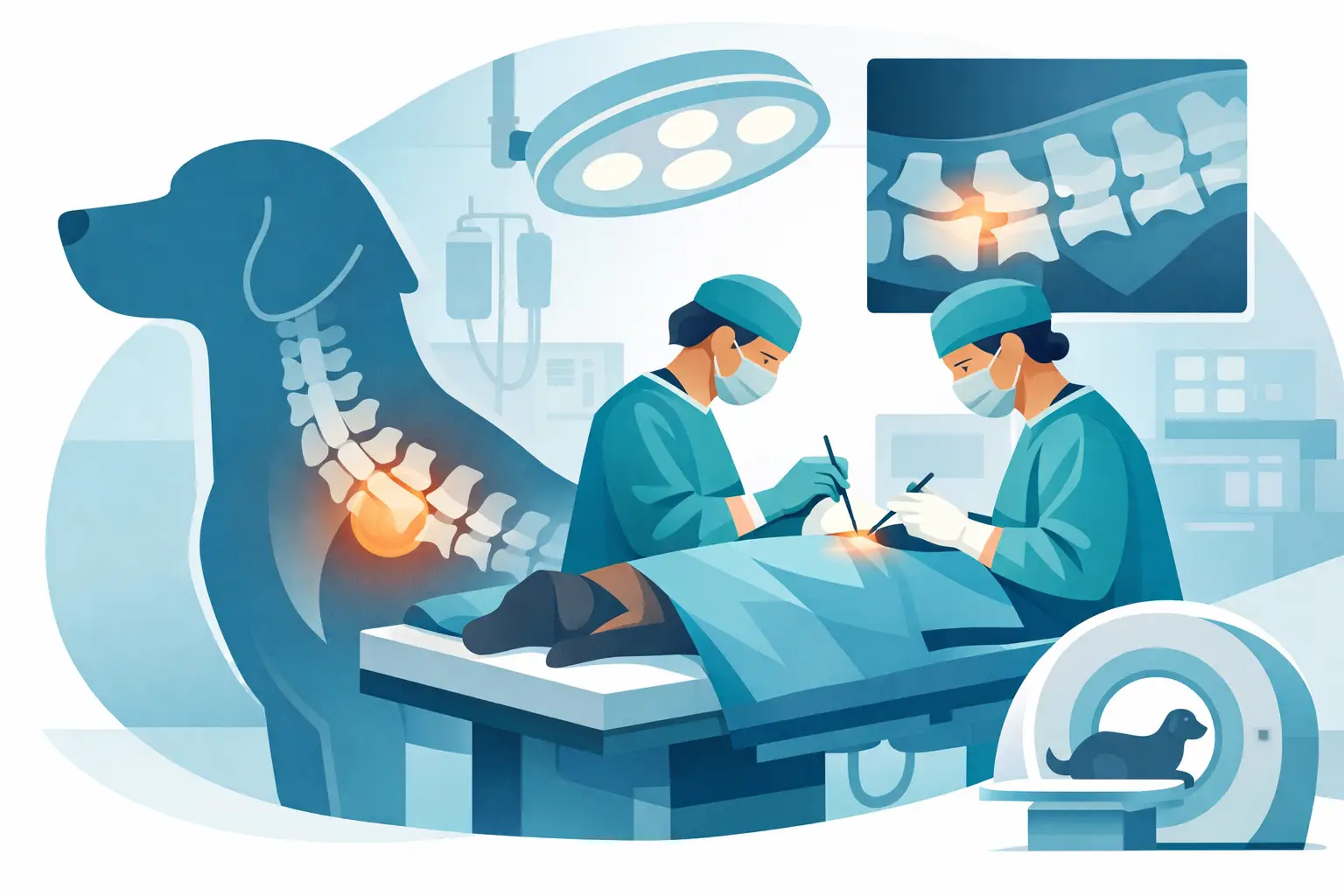
Spinal surgery is typically considered when imaging and neurological findings point to a structural problem that medication alone is unlikely to fix. One of the most common reasons is intervertebral disc disease, often called IVDD. In these cases, disc material can press on the spinal cord and cause pain, weakness, or paralysis.
Other causes may include spinal fractures or instability after trauma, vertebral malformations, compressive lesions, and select tumor-related conditions. Some pets arrive through an urgent or emergency pathway because symptoms have changed quickly. Others are referred after ongoing pain or mobility changes have not improved with conservative treatment.
There is no one-size-fits-all rule. A pet with mild pain and no neurological deficits may be managed medically at first. A pet that cannot walk, is worsening rapidly, or has severe spinal cord compression on advanced imaging may benefit from surgery sooner. Timing matters, but so does accuracy.
Why advanced diagnostics matter before surgery
The spine is not an area where guesswork helps. A thorough neurological examination helps localize the problem, but advanced imaging is often what turns suspicion into a precise surgical plan.
That is a major advantage of receiving care in a hospital that offers modern diagnostics along with surgical and recovery support. CT imaging can help evaluate the spine in detail, especially when a pet has trauma, suspected disc disease, or bony changes that need closer review. Additional diagnostics may include bloodwork, pain assessment, and anesthetic screening to make sure your pet is stable enough for the procedure.
This step is important for another reason: symptoms that look similar can come from very different causes. Back pain may be caused by a disc issue, but it can also reflect trauma, inflammation, or another neurologic condition. Good planning improves safety and helps families make informed decisions with confidence.
What pet owners can expect from the surgical process
Hearing that your pet may need spinal surgery is understandably overwhelming. Most families want to know the same things right away: Is my pet in pain? Is surgery really necessary? What are the risks? What are the chances my pet will walk again?
Those are fair questions, and honest answers depend on the diagnosis, how long symptoms have been present, the severity of neurological loss, and your pet’s overall health. In general, the process begins with examination and imaging, followed by discussion of treatment options. If surgery is recommended, your veterinary team will explain the procedure, expected goals, hospitalization needs, and what recovery may look like at home.
The procedure itself depends on the condition being treated and the location of the problem in the neck, back, or lower spine. The purpose is usually to relieve pressure on the spinal cord, stabilize an injured area, or address another compressive or structural issue. Surgery is performed under general anesthesia with careful monitoring.
No responsible hospital presents spinal surgery as simple or routine, because it is a serious procedure. At the same time, serious does not mean hopeless. Many pets do very well when the diagnosis is clear, treatment is timely, and recovery is managed carefully.
Recovery after spinal surgery
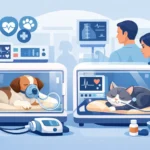
Recovery is where medicine and patience meet. Some pets improve quickly after surgery, while others need a longer rehabilitation period before strength and coordination begin to return. The first days often focus on pain control, neurologic monitoring, assisted walking if appropriate, bladder management when needed, and safe rest.
Once a pet goes home, owners play a central role. Restricted activity is often essential, even if your dog seems brighter and more comfortable within a few days. Too much movement too soon can interfere with healing. Families may need to help with controlled leash walks, medications, crate or room rest, incision monitoring, and repositioning for pets with limited mobility.
Recovery can be emotionally complex. A pet may have a good day, then seem tired or unsteady the next. Progress is not always perfectly linear. That does not automatically mean something is wrong, but it does mean close communication matters. If pain returns, weakness worsens, or bladder and bowel function changes unexpectedly, your veterinary team should be contacted right away.
The role of rehabilitation in spinal recovery
Surgery is often one part of treatment, not the entire story. Rehabilitation can make a meaningful difference in comfort, mobility, muscle preservation, and confidence during healing.
For some pets, rehabilitation starts soon after surgery with guided exercises and assisted movement. Depending on the case, therapies may include structured rehab exercises, hydrotherapy, and underwater treadmill work to support strength and controlled gait retraining while reducing strain on healing structures. The right plan depends on the pet, the procedure performed, and the stage of recovery.
This is one reason integrated care matters. When diagnostics, surgery, and rehabilitation are available within one medical setting, treatment can be more coordinated and adjustments can be made based on how your pet is actually doing, not just how recovery is expected to look on paper.
Which pets are good candidates for surgery
A good surgical candidate is not defined by breed alone or even by diagnosis alone. Neurological status, age, concurrent disease, body condition, anesthetic risk, and how quickly signs developed all influence decision-making.
For example, a younger dog with acute disc extrusion and sudden inability to walk may have a very different outlook than an older pet with multiple medical conditions and chronic spinal changes. Cats can also develop spinal problems, though they are less commonly discussed than dogs. What matters most is a personalized evaluation rather than assumptions.
This is also where trade-offs come into view. In some cases, surgery offers the best chance at restoring function. In others, the goal may be reducing pain and preventing further decline rather than returning a pet to completely normal mobility. Clear expectations are part of good medicine.
Questions families should ask
When facing a spinal diagnosis, families deserve practical guidance, not vague reassurance. Ask what the imaging shows, what the main treatment options are, how urgent surgery is, what recovery will require at home, and what complications are possible. Ask how pain will be managed and whether rehabilitation is recommended.
It is also reasonable to ask what happens if you choose nonsurgical treatment instead. Sometimes that is an appropriate path. Sometimes it carries a higher risk of ongoing pain or permanent neurologic loss. The right answer depends on the case, and your care team should explain that clearly.
Local advanced care can make a difficult time easier
When a pet needs neurologic or spinal treatment, coordinating multiple locations for imaging, surgery, hospitalization, and rehab adds stress at exactly the wrong time. Families in Lancaster, Palmdale, and the Antelope Valley often want advanced care close to home, with a team that can follow the case from the first urgent phone call to recheck visits and recovery support.
That continuity matters. It helps families feel informed, and it helps pets receive care that is both medically thorough and individualized. At AV Veterinary Center, that combination of compassionate communication and advanced capability is central to how complex cases are managed.
If your dog or cat is showing signs of neck pain, back pain, weakness, trouble walking, or sudden paralysis, do not wait to see if it passes on its own. Spinal conditions can change quickly, and early evaluation can make a real difference in the treatment options available. A calm, timely next step is often the most powerful one you can take for your pet.