A mother dog or cat in labor can go from progressing normally to needing urgent help in a short amount of time. When that happens, a cesarean section in pets can be the safest way to protect both the mother and her babies. For families, this is often stressful and unexpected, which is why clear information and timely veterinary care matter so much.
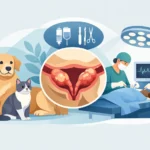
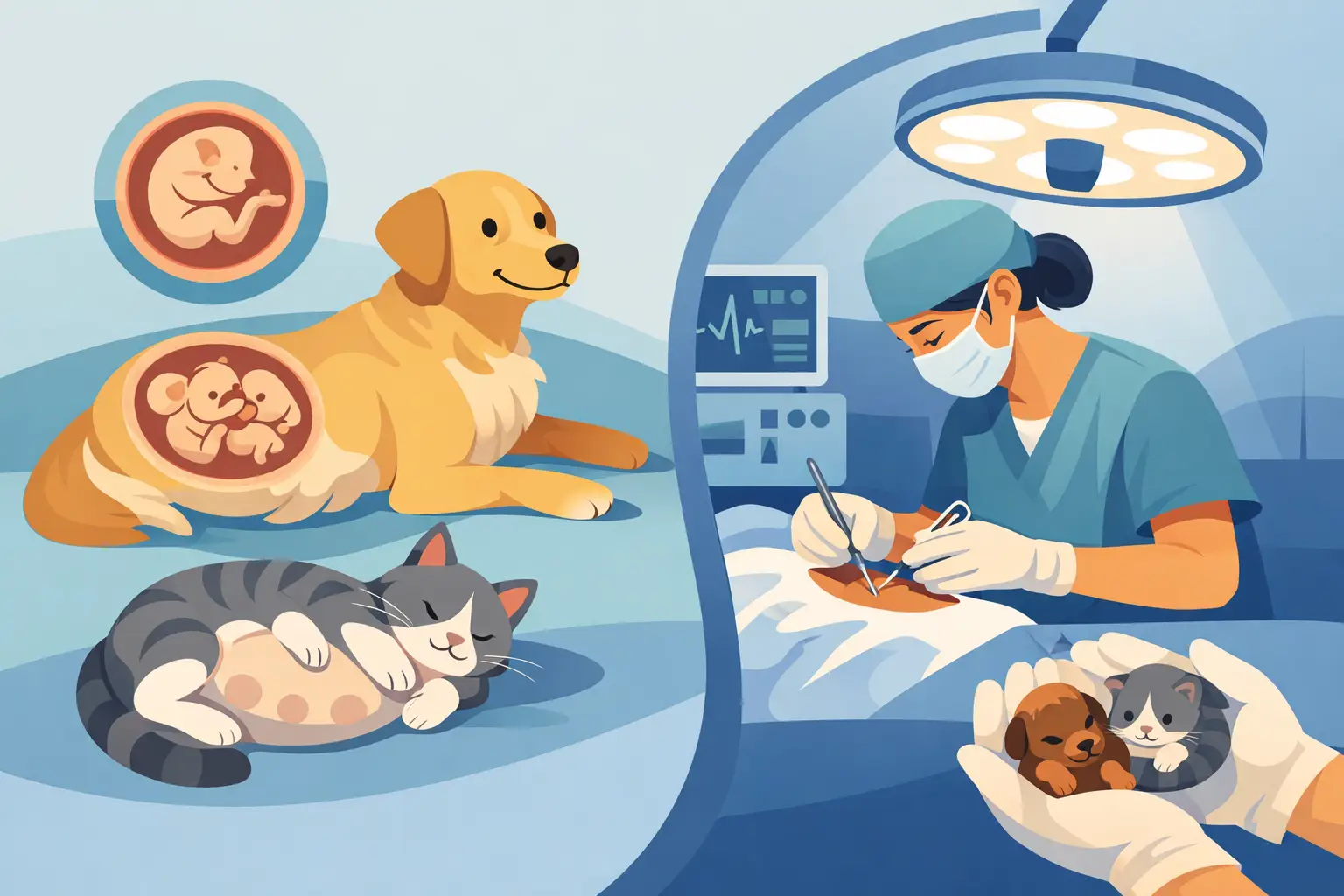
A C-section is a surgical procedure used to deliver puppies or kittens through an incision in the abdomen and uterus. In veterinary medicine, some cesareans are planned because a pet is known to be high risk, while others are performed on an emergency basis when labor is not progressing safely. The goal is straightforward – deliver the babies quickly, stabilize the mother, and reduce the risk of serious complications.
When a cesarean section in pets is necessary
Not every difficult labor ends in surgery, but there are situations where a C-section becomes the safest option. The medical term for difficult birth is dystocia. It can happen for several reasons, and sometimes more than one factor is involved.
A common problem is failure of labor to progress. A mother may have strong contractions for an extended period without delivering a puppy or kitten, or she may appear weak, exhausted, and unable to continue effective labor. In other cases, a baby may be too large to pass through the birth canal, may be positioned abnormally, or the mother may have a pelvic structure that makes natural delivery difficult.
Certain breeds of dogs are also more likely to need cesarean delivery because of body shape and head size. Brachycephalic breeds, including Bulldogs, French Bulldogs, and Boston Terriers, often carry a higher risk. That does not mean every pregnancy in those breeds requires surgery, but it does mean closer planning and monitoring are important.
Cats can need C-sections too, although breed-related risk is discussed less often than it is in dogs. A cat may need surgery if labor stops, if a kitten is obstructed, if there are signs of maternal distress, or if fetal distress is suspected.
Warning signs during labor
The hardest part for many pet owners is knowing when to wait and when to act. Normal labor can include rest periods, but there are several red flags that should never be ignored.
If your pet has been straining actively for 20 to 30 minutes with no baby delivered, that deserves prompt veterinary guidance. The same is true if more than two hours pass between babies during active labor, especially if you know there are more still inside. Green-black discharge before the first puppy or kitten arrives can be a concern, particularly if delivery does not follow soon after. Visible distress, collapse, severe pain, weakness, or heavy bleeding are also emergency signs.
Sometimes the concern is less dramatic but still serious. A pet may seem restless, stop contracting, or appear unusually fatigued. If the due date has arrived and labor does not begin as expected, that also warrants evaluation. With pregnancy and labor, timing matters.
Planned versus emergency C-sections
There is a major difference between a planned cesarean and an emergency one. In a planned procedure, the veterinary team has time to assess the mother, confirm fetal status, determine the ideal timing, and prepare for surgery in a controlled setting. That usually improves safety for everyone involved.
Emergency cesareans happen when labor has already become prolonged or complicated. The mother may be exhausted, dehydrated, in pain, or developing shock. The babies may also be compromised if they have been under stress too long. Surgery can still be life-saving, but emergency cases often carry greater risk because the situation is more urgent from the start.
For pets with a known history of difficult labor, high-risk breed factors, or prior cesarean delivery, discussing a birth plan with your veterinarian before the due date is wise. Advance planning does not guarantee surgery will be needed, but it gives you a clear path if labor does not go normally.
What happens before surgery
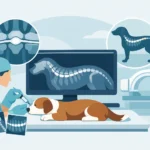
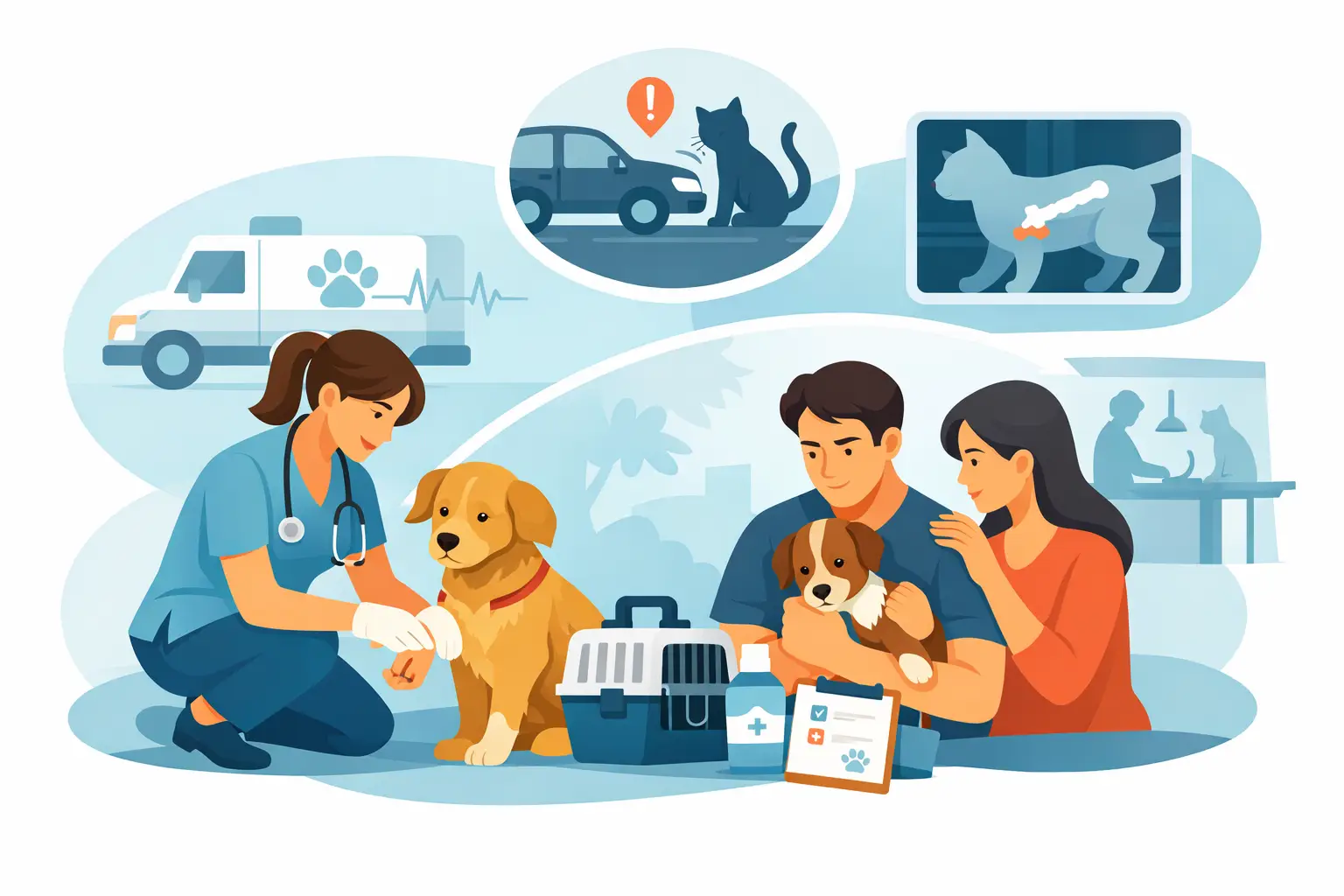
Before performing a C-section, a veterinarian will examine the mother and evaluate how urgent the situation is. That may include checking hydration, heart rate, temperature, and signs of distress. Imaging such as ultrasound or radiographs can help assess fetal number, positioning, and viability.
Bloodwork may be recommended depending on the case, especially if the mother appears ill, weak, or has been in labor for a long time. The team will also consider anesthesia carefully. In C-sections, medication choices matter because drugs can affect both the mother and the babies. The veterinary team works to balance pain control, speed, and safety.
In advanced care settings, having access to imaging, surgical support, anesthesia monitoring, and neonatal resuscitation equipment in one place can make a meaningful difference when minutes count.
How a cesarean section in pets is performed
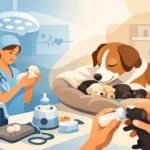
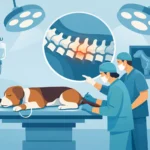
Once the mother is anesthetized and prepared for surgery, the veterinarian makes an incision in the abdomen and then in the uterus to remove the puppies or kittens. Speed is important, but so is careful technique. As each baby is delivered, a trained team member typically takes over immediate care, clearing airways, stimulating breathing, drying the newborn, and helping with temperature support.
After the babies are delivered, the uterus is examined and closed, followed by closure of the abdominal incision. In some cases, a spay may be discussed at the same time, but that depends on the pet’s condition, breeding plans, and the specific medical circumstances. This is one of those areas where the right choice depends on the individual patient.
Risks and outcomes
Like any surgery, a C-section carries risks. These include bleeding, infection, anesthetic complications, delayed recovery, and in some cases loss of one or more babies. The risk level depends on the mother’s overall health, how long labor has been going on, whether fetuses are already in distress, and how quickly treatment begins.
That said, cesarean delivery is a routine and often very successful procedure in veterinary medicine when handled promptly and appropriately. Good outcomes are more likely when warning signs are recognized early and the mother receives timely, skilled care.
Recovery for the mother
After surgery, the mother needs close monitoring for pain control, bleeding, incision healing, and normal maternal behavior. Many pets are groggy at first, and some need support before they are fully ready to nurse or interact normally with their litter. Pain management is important, but medication selection must be appropriate for a nursing mother.
At home, owners should watch for swelling, discharge, opening of the incision, lethargy, poor appetite, vomiting, fever, or lack of interest in the babies. Not every mother settles in right away. Some need gentle supervision during nursing sessions until they are more comfortable.
A clean, quiet recovery space helps. The mother should be kept calm, protected from excessive activity, and prevented from licking or chewing at the incision. Follow-up care matters because early intervention can prevent a small issue from becoming a bigger one.
Care for puppies and kittens after a C-section
Newborns delivered by C-section may need more hands-on support in the first hours of life. They must stay warm, nurse regularly, and be monitored closely for weight gain and strength. If the mother is slow to recover from anesthesia or is not producing enough milk immediately, temporary supplemental feeding may be needed.
Some litters do very well right away. Others need a more intensive start. This is another area where there is no one-size-fits-all answer. The condition of the newborns, the mother’s recovery, and the timing of surgery all play a role.
When to call right away
If your pregnant dog or cat is in labor and something feels off, it is better to call early than wait too long. This is especially true if your pet is actively straining without progress, seems weak, is showing signs of pain or distress, or you know she is carrying more babies than have been delivered.
For families in Lancaster, Palmdale, and the Antelope Valley, having a veterinary team that can evaluate labor problems quickly and provide advanced surgical care when needed can reduce delays during a very time-sensitive situation.
Birth rarely follows a script, even when everything has looked normal up to that point. The most helpful step you can take is to know the warning signs, have a plan before labor begins, and reach out promptly if your pet needs help.